
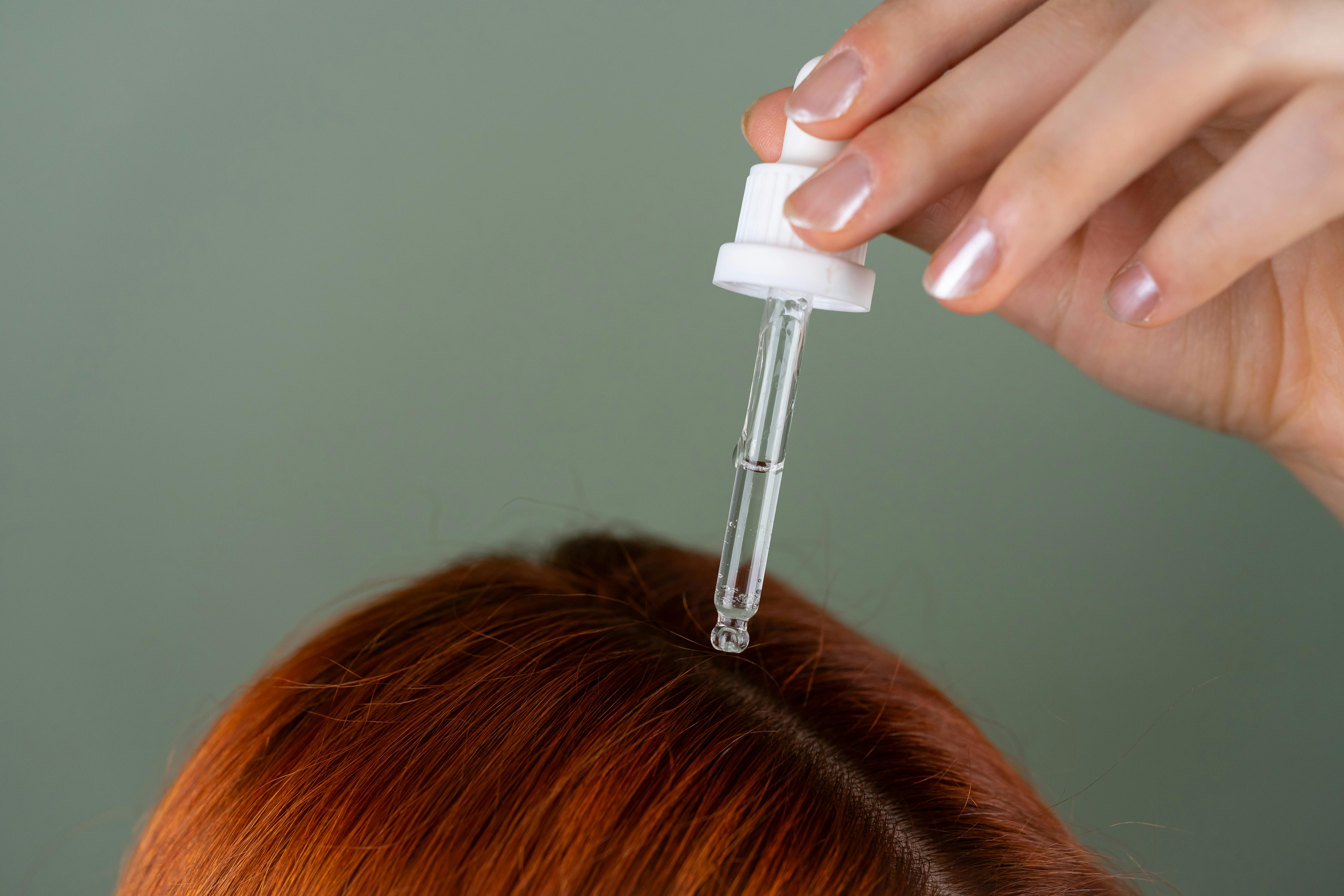
Overview of Scalp Diseases
Scalp diseases refer to a wide group of medical conditions that affect the skin on the head. These conditions can range from mild irritation to severe chronic disorders. Moreover, they often influence hair health and overall quality of life. In addition, scalp problems may occur due to infections, autoimmune reactions, or environmental factors. Therefore, early recognition plays a crucial role in effective management. Scalp diseases can affect both men and women of all ages, and they often require medical evaluation for accurate diagnosis and treatment.
Common Types of Scalp Disorders
Several scalp disorders occur frequently in clinical practice. For example, dandruff represents one of the most common conditions and results from excessive flaking of the skin. Similarly, seborrheic dermatitis causes inflammation and oily scaling on the scalp. Furthermore, psoriasis of the scalp leads to thick, red patches covered with silvery scales.
In addition, fungal infections such as tinea capitis affect hair follicles and may lead to hair loss. Alopecia areata also represents a significant autoimmune condition that causes patchy hair loss. Consequently, understanding these types helps in selecting appropriate treatment strategies. Each condition presents unique characteristics, yet they often share overlapping symptoms.
Causes and Risk Factors
Scalp diseases develop due to multiple interacting factors. Firstly, genetic predisposition plays an important role in conditions like psoriasis and alopecia areata. Secondly, fungal and bacterial infections contribute significantly to inflammatory scalp disorders. Moreover, poor hygiene may worsen certain infections, although it is not always the primary cause.
Hormonal imbalance also influences scalp health, particularly in seborrheic dermatitis. Additionally, stress can trigger or worsen many scalp conditions. Environmental exposure, such as pollution and harsh hair products, further increases the risk. Therefore, a combination of internal and external factors usually leads to disease development rather than a single cause.
Symptoms and Clinical Signs
Scalp diseases present with a wide range of symptoms. Commonly, patients report itching, redness, and flaking of the scalp. Moreover, some conditions cause visible hair thinning or patchy hair loss. Inflammatory diseases may also lead to pain and tenderness.
For instance, seborrheic dermatitis often produces greasy scales, while psoriasis creates thick plaques. Furthermore, fungal infections may result in broken hairs and swollen lymph nodes. Consequently, symptom patterns help clinicians differentiate between various scalp conditions. However, symptoms alone are not sufficient for a definitive diagnosis, so further testing is often required.
Diagnosis Methods
Accurate diagnosis of scalp diseases requires a structured clinical approach. Firstly, dermatologists perform a physical examination of the scalp and hair. Additionally, they review the patient’s medical history and symptoms in detail. Moreover, dermoscopy helps in visualizing scalp structures more clearly.
Laboratory tests also play a key role in identifying infections. For example, fungal cultures confirm tinea capitis. Furthermore, blood tests may help detect autoimmune conditions. In some cases, a scalp biopsy becomes necessary to confirm complex diagnoses. Therefore, combining multiple diagnostic methods ensures higher accuracy and better treatment outcomes.
Treatment Options
Treatment of scalp diseases depends on the underlying cause. For inflammatory conditions such as psoriasis and seborrheic dermatitis, topical corticosteroids are commonly used. Moreover, antifungal medications effectively treat fungal infections like tinea capitis.
In addition, medicated shampoos containing ketoconazole or zinc pyrithione help control dandruff and scaling. For autoimmune-related hair loss, immunotherapy may be recommended. Furthermore, lifestyle modifications such as stress reduction and improved hygiene support medical treatment.
Consequently, early treatment improves prognosis and prevents complications. However, chronic conditions may require long-term management and regular follow-up. Therefore, personalized treatment plans remain essential for optimal results.
Prevention and Scalp Care
Preventing scalp diseases involves maintaining proper scalp hygiene and healthy lifestyle habits. Firstly, regular washing of hair with mild shampoos helps reduce buildup of oil and dead skin. Moreover, avoiding harsh chemical hair products minimizes irritation.
In addition, a balanced diet rich in vitamins and minerals supports scalp health. Furthermore, managing stress levels reduces the risk of flare-ups in conditions like psoriasis and seborrheic dermatitis. Protective measures against environmental pollutants also play a significant role.
Consequently, consistent scalp care reduces the likelihood of developing chronic scalp conditions. However, individuals with a family history of scalp disorders should remain particularly vigilant. Therefore, early preventive action remains the most effective strategy for long-term scalp health.
Conclusion
In conclusion, scalp diseases represent a diverse group of conditions that affect both skin and hair health. Therefore, understanding their causes, symptoms, and treatment options remains essential for effective management. Moreover, early diagnosis significantly improves treatment outcomes and reduces the risk of complications.
In addition, patients benefit greatly when they combine medical treatment with proper scalp care routines. For example, using appropriate shampoos and avoiding irritants can reduce symptom severity. Furthermore, lifestyle factors such as stress control and balanced nutrition play a supportive role in long-term scalp health.
However, scalp disorders often show chronic or recurring patterns. Consequently, regular follow-up with a healthcare professional becomes necessary in many cases. At the same time, awareness of early warning signs helps patients seek timely medical advice.
Ultimately, maintaining scalp health requires a combination of prevention, early intervention, and consistent care. Therefore, individuals should not ignore persistent symptoms such as itching, flaking, or hair loss. Instead, they should act promptly to ensure better outcomes and preserve overall hair and skin health.