
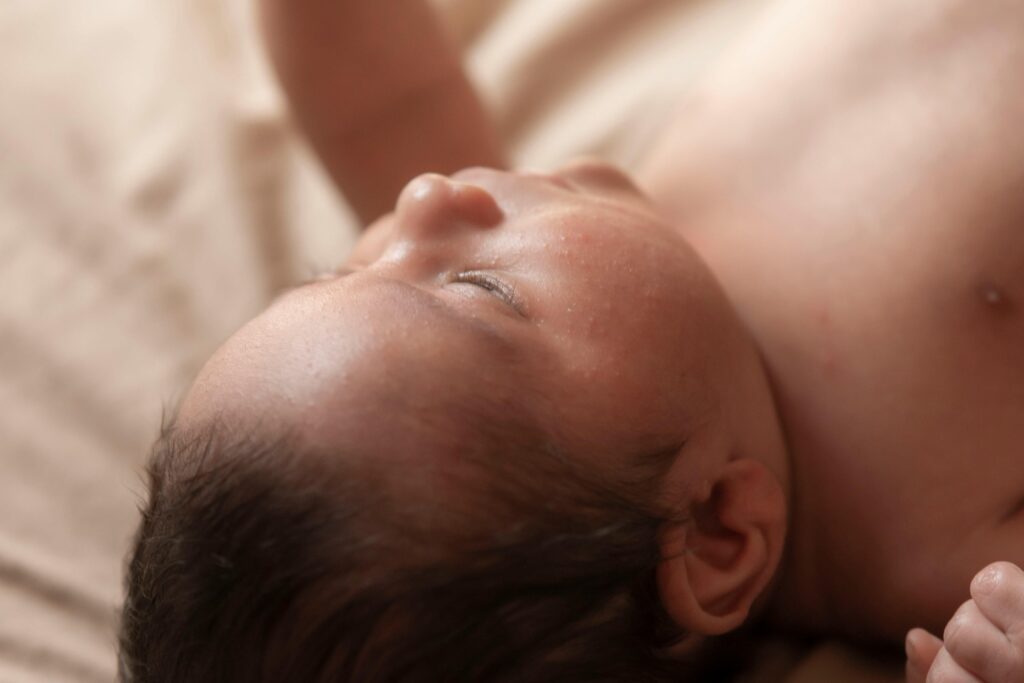
Overview of Skin Rash in Children
Skin rash in children represents a very common clinical condition that affects infants, toddlers, and adolescents. Moreover, it appears as changes in skin color, texture, or appearance. In many cases, it develops suddenly and causes concern for parents. Therefore, understanding its nature helps improve early care and management.
In addition, pediatric skin rashes may result from infections, allergies, environmental triggers, or chronic skin disorders. Furthermore, most cases remain mild and self-limiting. However, some conditions require medical attention. Consequently, proper identification plays a crucial role in preventing complications and ensuring child comfort.
Common Types of Skin Rashes in Children
Several types of skin rashes occur frequently in children. For example, eczema (atopic dermatitis) causes dry, itchy, and inflamed skin. Similarly, contact dermatitis develops after exposure to irritants or allergens. Moreover, viral rashes such as chickenpox and measles spread easily among children.
In addition, heat rash appears during hot weather due to blocked sweat glands. Bacterial infections like impetigo also produce red sores and crusting. Furthermore, fungal infections such as ringworm create circular lesions on the skin. Consequently, each type shows distinct characteristics, yet some symptoms overlap.
Causes and Risk Factors
Skin rashes in children develop due to multiple factors. Firstly, infections caused by viruses, bacteria, or fungi represent a major cause. Secondly, allergic reactions to food, medications, or environmental substances also trigger rashes.
Moreover, genetic predisposition increases the risk of conditions like eczema. In addition, sensitive skin in infants makes them more vulnerable to irritation. Environmental factors such as heat, humidity, and pollution further contribute to flare-ups. Therefore, both internal and external factors influence rash development.
Furthermore, poor skin hygiene or excessive washing may worsen dryness. However, not all rashes relate to hygiene issues. Consequently, accurate evaluation remains essential for correct identification of the cause.
Symptoms and Clinical Presentation
Skin rashes in children present with a wide range of symptoms. Commonly, affected areas show redness, itching, and swelling. Moreover, some rashes cause blistering or peeling of the skin.
In addition, viral infections often lead to fever alongside skin lesions. For example, chickenpox produces fluid-filled blisters that crust over time. Furthermore, eczema causes persistent dryness and scratching. Consequently, repeated scratching may lead to skin thickening or infection.
However, symptom severity varies depending on the underlying cause. Therefore, careful observation of rash patterns helps guide diagnosis. At the same time, parents should monitor associated symptoms such as fever or irritability.
Diagnosis of Skin Rash in Children
Doctors diagnose skin rashes through clinical evaluation and medical history. Firstly, they examine the appearance, location, and pattern of the rash. Moreover, they ask about recent exposures, diet, and symptoms.
In addition, laboratory tests may help identify infections. For example, skin swabs detect bacterial causes like impetigo. Furthermore, allergy tests help confirm allergic reactions. In rare cases, a skin biopsy may become necessary for unclear diagnoses.
Consequently, combining clinical and laboratory findings improves diagnostic accuracy. However, most pediatric rashes can be diagnosed through physical examination alone. Therefore, early consultation with a healthcare provider remains important.
Treatment Options for Skin Rash in Children
Treatment of skin rash in children depends on the underlying cause. For example, mild eczema responds well to moisturizers and topical corticosteroids. Moreover, antihistamines help reduce itching in allergic reactions.
In addition, bacterial infections require antibiotic treatment, either topical or oral. Viral rashes usually resolve on their own, so supportive care remains essential. Furthermore, antifungal medications treat fungal infections effectively.
Consequently, proper treatment reduces symptoms and prevents complications. However, incorrect self-medication may worsen the condition. Therefore, medical guidance ensures safe and effective therapy.
Prevention and Skin Care in Children
Preventing skin rashes in children involves consistent skin care practices. Firstly, parents should keep the child’s skin clean and well-moisturized. Moreover, they should avoid harsh soaps and chemical irritants.
In addition, wearing breathable clothing helps reduce heat rash during warm weather. Furthermore, avoiding known allergens significantly lowers the risk of allergic reactions. Balanced nutrition also supports healthy skin function.
Consequently, early preventive measures reduce the frequency and severity of rashes. However, some conditions may still occur despite prevention. Therefore, early recognition remains equally important.
When to Seek Medical Help
Parents should seek medical attention when a skin rash spreads rapidly or worsens. Moreover, high fever alongside rash requires urgent evaluation. In addition, painful, swollen, or infected skin lesions need professional care.
Furthermore, persistent rashes that do not improve with basic care should be assessed by a doctor. Consequently, early intervention prevents complications and ensures proper treatment. However, mild rashes often resolve without medical intervention.
Therefore, understanding warning signs helps parents make informed decisions and protect child health.
Conclusion
In conclusion, skin rash in children represents a highly common yet diverse group of conditions that range from mild irritation to more serious infections. Moreover, early recognition of symptoms plays a key role in effective management and faster recovery. Therefore, parents should observe any changes in the child’s skin carefully and respond promptly.
In addition, most pediatric skin rashes respond well to simple treatments and proper skin care practices. However, some cases may indicate underlying infections or allergic reactions that require medical attention. Consequently, accurate diagnosis remains essential for selecting the appropriate treatment approach.
Furthermore, prevention strategies such as maintaining good hygiene, avoiding known triggers, and using gentle skincare products significantly reduce the risk of recurrence. At the same time, regular monitoring helps detect complications early and improves overall outcomes.
Ultimately, understanding skin rash in children supports better parental awareness and enhances child health. Therefore, timely action and proper care ensure both comfort and long-term skin protection.