
Understanding Nail Brittleness
Nail brittleness refers to a condition where nails become weak, dry, and prone to splitting. It affects many people across different age groups. In most cases, the nails lose flexibility and strength. As a result, they break easily and appear unhealthy. This condition often signals underlying nutritional or environmental issues. Therefore, understanding its causes helps in proper management and prevention.
Common Medical Causes of Brittle Nails
Several medical factors contribute to brittle nails. First, nutritional deficiencies play a major role. Low levels of biotin, iron, and zinc weaken nail structure. In addition, dehydration reduces nail moisture and elasticity. Moreover, thyroid disorders often disrupt normal nail growth. For instance, hypothyroidism may lead to slow and fragile nail development.
Furthermore, skin conditions such as eczema and psoriasis can affect nail health. These conditions damage the nail bed and surrounding tissues. Consequently, nails become rough and uneven. Aging also contributes to brittleness. As people age, keratin production declines. Therefore, nails become thinner and more fragile over time.
Environmental and Lifestyle Factors
Environmental exposure significantly impacts nail strength. Frequent contact with water weakens the nail plate. For example, repeated hand washing strips natural oils. As a result, nails dry out and split. Similarly, harsh chemicals in cleaning products damage nail proteins.
Additionally, cosmetic practices affect nail health. Excessive use of nail polish removers causes dehydration. In particular, acetone-based products remove essential lipids. Moreover, artificial nails and gels increase the risk of damage.
Lifestyle habits also matter. Poor diet reduces essential nutrient intake. In contrast, a balanced diet supports nail regeneration. Therefore, daily habits directly influence nail condition.
The Role of Nutrition in Nail Health
Nutrition plays a central role in preventing brittle nails. First, proteins support keratin production. Keratin forms the main structure of nails. Therefore, adequate protein intake strengthens nails. Foods such as eggs, fish, and legumes provide essential amino acids.
In addition, biotin improves nail thickness and reduces splitting. Studies show that regular intake enhances nail strength. Foods rich in biotin include nuts, seeds, and whole grains. Furthermore, iron supports oxygen delivery to nail cells. Without sufficient iron, nails become thin and weak.
Zinc also contributes to cell repair and growth. It helps maintain healthy nail tissue. Meanwhile, omega-3 fatty acids improve hydration. They keep nails flexible and less prone to breakage. Therefore, a nutrient-rich diet remains essential for nail health.
Clinical Diagnosis and Evaluation
Doctors evaluate brittle nails through clinical examination. They assess nail texture, color, and growth patterns. In addition, they review the patient’s medical history. This step helps identify underlying conditions.
Sometimes, laboratory tests are required. Blood tests detect deficiencies in iron, zinc, or thyroid hormones. Consequently, treatment becomes more targeted and effective. Early diagnosis improves outcomes. Therefore, seeking medical advice is important when symptoms persist.
Treatment and Management Strategies
Treatment depends on the underlying cause. First, nutritional supplementation often improves nail strength. Biotin supplements show positive results in many cases. In addition, iron and zinc supplements correct deficiencies.
Topical treatments also help. Moisturizing creams restore hydration and protect the nail surface. Moreover, protective gloves reduce exposure to water and chemicals.
Behavioral changes remain crucial. Reducing the use of harsh nail products prevents further damage. In contrast, gentle nail care supports recovery. Therefore, combining medical and lifestyle approaches yields better results.
Preventive Measures for Healthy Nails
Prevention focuses on consistent care and healthy habits. First, maintaining a balanced diet ensures adequate nutrient intake. In addition, drinking enough water supports nail hydration.
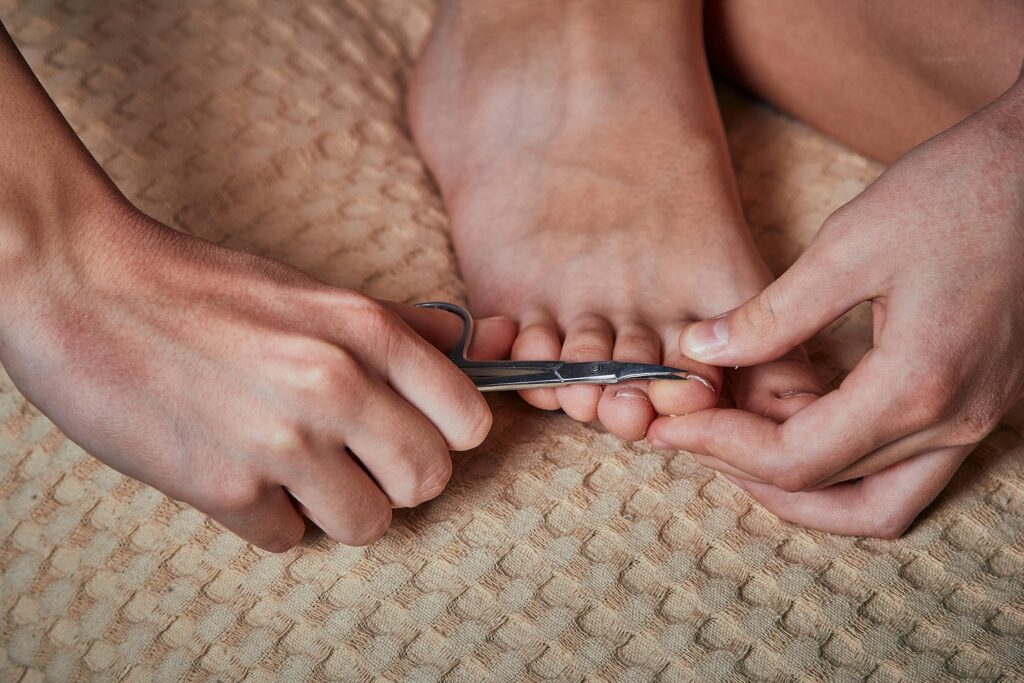
Regular nail trimming prevents splitting and breakage. Moreover, using mild nail care products protects nail integrity. Avoiding excessive cosmetic treatments also reduces risk.
Furthermore, protecting hands from environmental damage is essential. Wearing gloves during cleaning tasks minimizes exposure to harmful substances. Therefore, simple daily practices can maintain strong and healthy nails.
Conclusion
Nail brittleness reflects both internal and external factors. Nutritional deficiencies, medical conditions, and environmental exposure all contribute to the problem. However, proper diagnosis and targeted treatment can improve nail health. Moreover, adopting healthy lifestyle habits prevents recurrence. Therefore, understanding the condition allows individuals to maintain stronger and more resilient nails over time.