
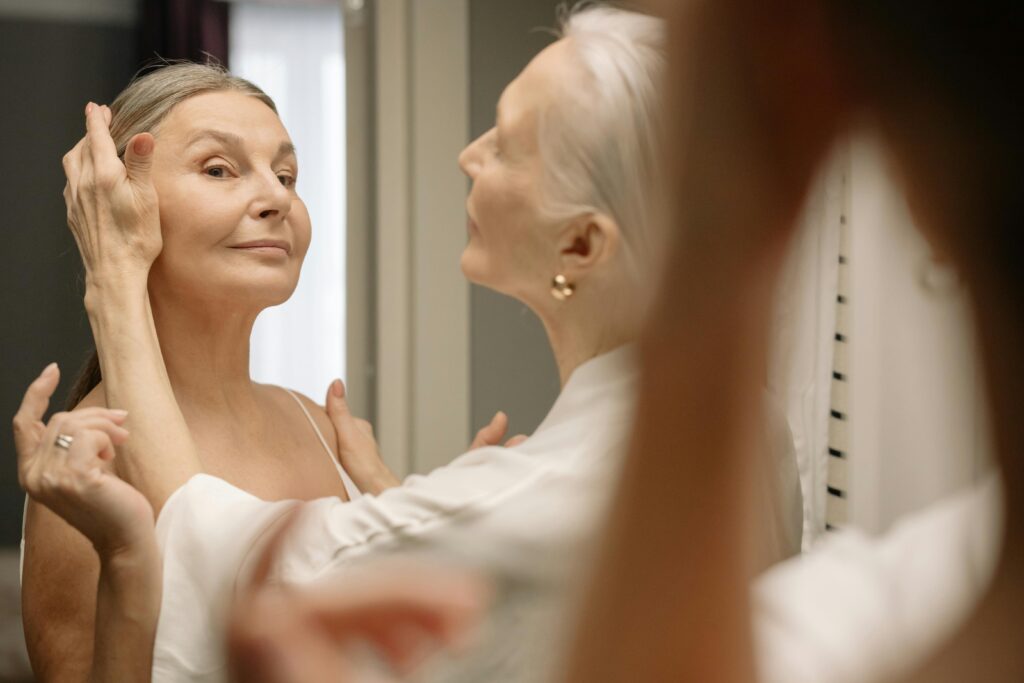
Introduction to Premature Aging Prevention
Premature aging refers to the early appearance of biological and visible signs of aging. These signs include wrinkles, reduced skin elasticity, fatigue, and metabolic decline. Moreover, modern lifestyle factors accelerate these processes significantly. However, scientific research shows that you can slow aging effectively. In addition, preventive strategies improve both lifespan and health span. Therefore, understanding aging mechanisms is essential for long-term health.
Maintain a Nutrient-Dense Anti-Aging Diet
A balanced diet plays a major role in preventing premature aging. For example, antioxidants reduce oxidative stress in cells. Furthermore, oxidative stress damages DNA and accelerates skin aging. Therefore, you should consume fruits and vegetables daily. In addition, omega-3 fatty acids support cellular membrane health.
Moreover, hydration improves skin elasticity and metabolic function. You should drink enough water throughout the day. Also, reducing processed sugar helps prevent glycation. Glycation leads to collagen breakdown and skin wrinkles. Consequently, limiting sugar slows visible aging signs.
Additionally, whole grains and lean proteins support tissue repair. They also maintain stable energy levels. As a result, your body ages more slowly at the cellular level.
Exercise Regularly to Slow Biological Aging
Physical activity significantly reduces the risk of premature aging. For instance, aerobic exercise improves cardiovascular health. Furthermore, resistance training preserves muscle mass and bone density. These factors decline naturally with age.
In addition, exercise enhances mitochondrial function. Mitochondria produce energy inside cells. Therefore, better mitochondrial health leads to slower aging. Also, regular movement reduces inflammation levels in the body.
Moreover, studies show that exercise improves telomere length stability. Telomeres protect chromosomes from damage. Consequently, longer telomeres correlate with slower aging. You should aim for at least 150 minutes of weekly activity.
Protect Your Skin from UV Damage
Ultraviolet radiation is a major cause of premature skin aging. For example, UV exposure breaks down collagen fibers. As a result, wrinkles and fine lines appear earlier. Therefore, sun protection is essential for healthy skin.
In addition, sunscreen reduces long-term skin damage effectively. You should apply broad-spectrum SPF daily. Moreover, protective clothing adds another layer of defense. Hats and sunglasses also reduce UV exposure.
Furthermore, avoid excessive sun exposure during peak hours. This simple habit significantly lowers skin aging risk. Consequently, consistent protection preserves youthful skin longer.
Improve Sleep Quality for Cellular Repair
Sleep plays a critical role in anti-aging processes. During sleep, the body repairs damaged tissues. Furthermore, the brain removes metabolic waste during deep sleep stages. Therefore, poor sleep accelerates aging symptoms.
In addition, insufficient sleep increases cortisol levels. High cortisol promotes inflammation and tissue breakdown. As a result, skin becomes more prone to aging signs.
Moreover, consistent sleep schedules improve hormone balance. Growth hormone supports tissue regeneration during sleep. Consequently, you should aim for 7 to 9 hours nightly.
Manage Stress to Reduce Oxidative Damage
Chronic stress accelerates biological aging significantly. For example, stress increases free radical production. These molecules damage cells and DNA structures. Therefore, stress management is essential for longevity.
In addition, mindfulness practices reduce cortisol levels effectively. Meditation and breathing exercises improve emotional balance. Furthermore, relaxation techniques support immune function.
Moreover, social connection reduces psychological stress. Strong relationships improve overall health outcomes. Consequently, maintaining emotional well-being slows aging processes.
Avoid Harmful Lifestyle Habits
Smoking is one of the fastest accelerators of aging. It reduces oxygen delivery to tissues. Furthermore, it damages collagen and elastin fibers. Therefore, quitting smoking improves skin and organ health.
In addition, excessive alcohol consumption dehydrates the body. It also disrupts liver detoxification processes. As a result, toxins accumulate faster in tissues.
Moreover, poor dietary habits increase inflammation levels. Processed foods often contain harmful additives. Consequently, reducing these habits supports long-term youthfulness.
Support Skin Health with Evidence-Based Skincare
Scientific skincare routines help prevent visible aging signs. For example, retinoids stimulate collagen production. Furthermore, vitamin C supports skin repair and brightness. Therefore, consistent skincare improves skin structure.
In addition, moisturizers maintain hydration levels in the skin. Hydrated skin appears smoother and healthier. Also, antioxidants protect against environmental damage.
Moreover, gentle cleansing prevents barrier damage. Harsh products often accelerate skin aging. Consequently, choosing suitable skincare products is essential.
Conclusion
Preventing premature aging requires a comprehensive lifestyle strategy. You must combine nutrition, exercise, and stress management. Furthermore, sleep and skin protection play essential roles. Therefore, consistency is the key factor in long-term results.
In addition, scientific evidence supports all these preventive measures. You can significantly slow aging through daily habits. Ultimately, healthy choices today determine your biological age tomorrow.