
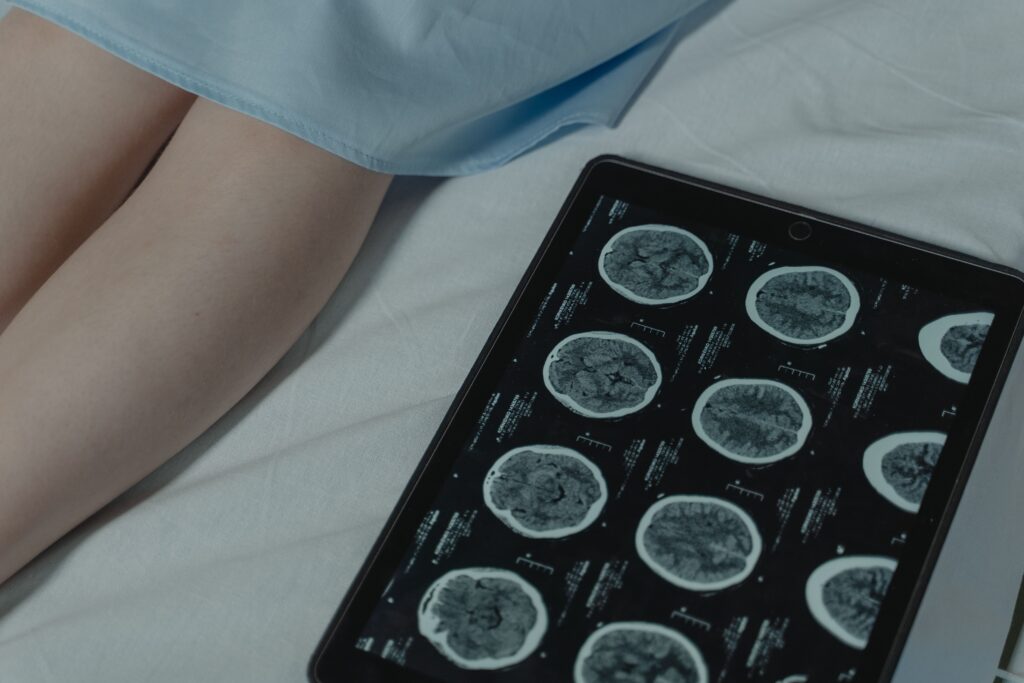
Introduction: A Paradox in Modern Medicine
Medical Progress has advanced rapidly over the past decades. Moreover, innovations in diagnostics, surgery, and pharmacology have transformed patient care. However, neurological diseases still show slow treatment progress. Therefore, a clear gap exists between general medical advancement and neuroscience outcomes. In addition, conditions such as Alzheimer’s disease, Parkinson’s disease, and ALS remain difficult to treat effectively. Consequently, this paradox raises important scientific and clinical questions.
Complexity of the Human Brain
The human brain remains the most complex organ in the body. Moreover, it contains billions of neurons with trillions of connections. Therefore, understanding brain function requires extremely advanced tools. In addition, small disruptions in neural networks can lead to major functional impairments.
Furthermore, brain cells interact through electrical and chemical signals simultaneously. As a result, diseases often involve multiple overlapping mechanisms. However, researchers still struggle to map these interactions fully. Consequently, treatment development becomes slower compared to other medical fields.
Limited Regeneration of Neural Tissue
Unlike other organs, the brain has very limited regenerative ability. Moreover, damaged neurons rarely regenerate effectively. Therefore, recovery after injury or disease remains extremely difficult. In addition, neuronal loss often becomes permanent.
Furthermore, current therapies mainly focus on symptom control rather than repair. As a result, disease progression often continues despite treatment. However, regenerative medicine is still in early stages. Consequently, neurological recovery options remain limited compared to other medical specialties.
Blood-Brain Barrier Challenges
The blood-brain barrier protects the brain from harmful substances. However, it also blocks many therapeutic drugs. Therefore, drug delivery to the brain becomes highly complex. In addition, only specific molecules can cross this barrier effectively.
Moreover, researchers must design drugs with precise molecular structures. As a result, development costs increase significantly. However, even promising compounds often fail during testing. Consequently, treatment innovation slows down compared to other diseases.
Late Diagnosis and Disease Progression
Neurological diseases often develop silently over many years. Moreover, symptoms appear only after significant brain damage occurs. Therefore, early intervention becomes very difficult. In addition, diagnostic tools may not detect early-stage changes accurately.
Furthermore, by the time diagnosis occurs, disease progression may already be advanced. As a result, treatment effectiveness decreases significantly. However, early detection technologies are improving gradually. Consequently, researchers focus more on biomarkers and imaging tools today.
Limited Understanding of Disease Mechanisms
Many neurological disorders still lack fully understood causes. Moreover, conditions like Alzheimer’s involve multiple biological pathways. Therefore, identifying a single treatment target becomes difficult. In addition, genetic, environmental, and metabolic factors interact in complex ways.
Furthermore, clinical trials often fail due to incomplete disease models. As a result, drug development faces high uncertainty. However, modern research tools such as genomics and AI improve understanding. Consequently, progress continues but at a slower pace than expected.
High Failure Rates in Clinical Trials
Neurological drug development shows extremely high failure rates. Moreover, many compounds perform well in laboratories but fail in human trials. Therefore, researchers face repeated setbacks. In addition, brain-related outcomes are difficult to measure accurately.
Furthermore, long trial durations increase costs and delays. As a result, pharmaceutical companies become cautious in investing. However, improved trial designs aim to reduce failure rates. Consequently, progress remains steady but slow compared to other fields.
Aging Population and Rising Disease Burden
The global population continues to age rapidly. Moreover, neurological diseases increase significantly with age. Therefore, the overall disease burden grows each year. In addition, healthcare systems face increasing pressure.
Furthermore, more patients require long-term care and support. As a result, treatment demand rises faster than innovation speed. However, public health strategies aim to improve prevention and early intervention. Consequently, managing neurological diseases remains a global priority.
Future Directions in Neurological Treatment
Modern research continues to explore new treatment approaches. Moreover, technologies such as gene therapy, stem cells, and AI show promise. Therefore, future therapies may overcome current limitations. In addition, personalized medicine may improve treatment effectiveness.
Furthermore, collaborations between neuroscience and engineering expand innovation. As a result, new diagnostic and therapeutic tools emerge. However, clinical translation still requires time and validation. Consequently, medical progress will likely accelerate in the coming decades.