
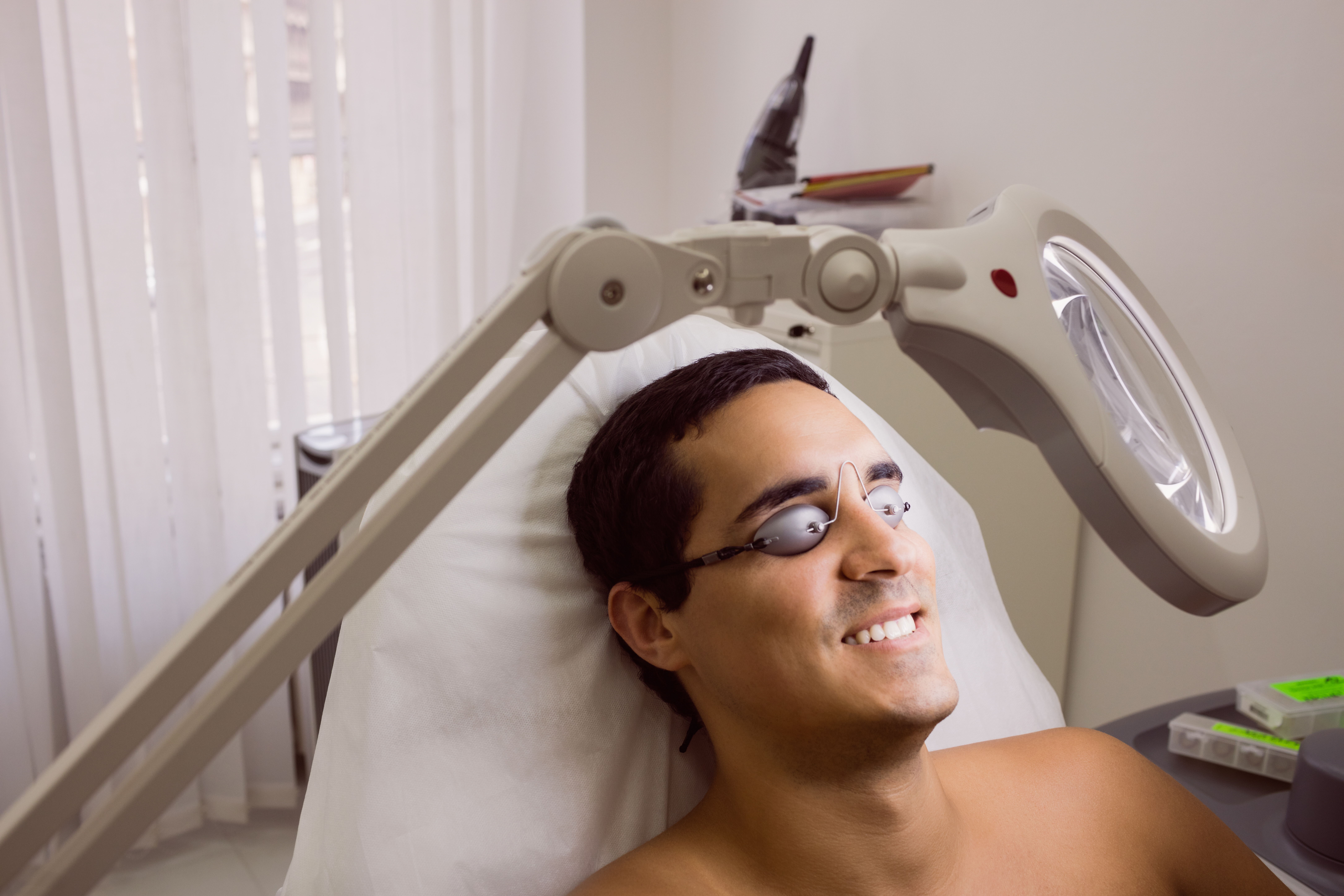
Introduction to Laser Technology in Dermatology
Laser Therapy in Dermatological Treatment : Laser technology has transformed modern dermatology by offering precise, effective, and minimally invasive treatment options for a wide range of skin conditions. The word LASER stands for “Light Amplification by Stimulated Emission of Radiation,” which describes the physical principle behind this technology. In clinical practice, dermatologists use lasers to target specific chromophores in the skin, such as melanin, hemoglobin, or water. As a result, laser energy treats diseased tissue while preserving surrounding healthy structures. Over the past decades, rapid technological advancement has expanded the scope of laser therapy. Consequently, laser treatment has become an essential component of both medical and cosmetic dermatology.
Mechanism of Action of Laser in Skin Treatment
Laser therapy operates on the principle of selective photo thermolysis, which allows precise targeting of specific skin components. Each laser emits light at a specific wavelength that corresponds to a particular chromophore. When the target absorbs this energy, it converts light into heat. This heat then destroys the intended structure without causing unnecessary damage. Therefore, clinicians achieve high therapeutic accuracy. Moreover, pulse duration and energy density play critical roles in determining treatment outcomes. Short pulses limit thermal spread, while controlled fluence ensures safety. As a result, the mechanism supports both efficacy and reduced adverse effects.
Types of Lasers Used in Dermatology
Dermatologists employ several laser types based on wavelength, tissue penetration, and clinical purpose. Common examples include CO₂ lasers, Erya lasers, Ndoye lasers, and pulsed dye lasers. Ablative lasers, such as CO₂ and Erya, remove superficial layers of the skin and stimulate collagen remodeling. In contrast, non-ablative lasers heat deeper tissues while preserving the epidermis. Furthermore, vascular lasers specifically target hemoglobin for the treatment of vascular lesions. Each type serves a distinct clinical role. Therefore, proper laser selection determines both effectiveness and patient safety.
Clinical Applications of Laser in Skin Diseases
Laser therapy treats a broad spectrum of dermatological conditions. It plays a major role in the management of acne scars, hypertrophic scars, and keloids. Additionally, lasers effectively treat pigmented lesions such as melasma, freckles, and age spots. Vascular lesions, including port-wine stains and hemangiomas, also respond exceptionally well to laser treatment. Moreover, lasers remove unwanted hair through selective destruction of hair follicles. In medical dermatology, clinicians use lasers for wart removal, skin resurfacing, and certain precancerous lesions. Consequently, laser therapy offers both therapeutic and cosmetic benefits.
Laser Therapy in Cosmetic Dermatology
Cosmetic dermatology relies heavily on laser technology for skin rejuvenation and aesthetic enhancement. Laser resurfacing reduces wrinkles, fine lines, and skin irregularities. Furthermore, fractional lasers stimulate collagen production, which improves skin texture and elasticity. Laser-based tattoo removal has also achieved remarkable success using Q-switched and picosecond lasers. Additionally, physicians use lasers to manage enlarged pores and uneven skin tone. Therefore, laser therapy has become a cornerstone of non-surgical cosmetic procedures. Patients increasingly prefer these treatments because they provide visible results with minimal downtime.
Advantages of Laser Treatment in Dermatology
Laser therapy provides several advantages over conventional treatment methods. First, it offers high precision, which limits damage to adjacent tissues. Second, it reduces the risk of bleeding because lasers coagulate blood vessels during treatment. Third, it shortens recovery time compared to surgical interventions. Moreover, laser therapy improves patient comfort due to reduced pain and faster healing. Additionally, many procedures require only local anesthesia or none at all. Consequently, laser treatment enhances both safety and patient satisfaction in dermatological practice.
Limitations and Potential Side Effects of Laser Therapy
Despite its benefits, laser therapy has certain limitations and risks. Some patients experience temporary side effects such as erythema, edema, and mild discomfort. In rare cases, post-inflammatory hyperpigmentation or hypopigmentation may occur, especially in darker skin types. Furthermore, improper laser settings can lead to burns or scarring. Therefore, operator expertise plays a critical role in preventing complications. Cost also represents a limiting factor for some patients. However, careful patient selection and proper technique significantly reduce these risks.
Safety Guidelines and Patient Selection
Proper patient evaluation ensures safe and effective laser therapy. Dermatologists must assess skin type, medical history, and current medications before treatment. For instance, photosensitizing drugs increase the risk of adverse reactions. Moreover, test spots help predict skin response and minimize complications. Patients must follow pre- and post-treatment care instructions strictly. Avoiding sun exposure before and after procedures significantly reduces the risk of pigmentation disorders. Therefore, adherence to safety protocols directly influences treatment success and overall outcomes.
Recent Advances in Laser Dermatology
Technological innovation continues to refine laser dermatology. Picosecond lasers now deliver ultra-short pulses that enhance pigment fragmentation while minimizing thermal injury. Additionally, hybrid laser systems combine ablative and non-ablative wavelengths to maximize rejuvenation effects. Artificial intelligence also assists in treatment planning by improving lesion analysis and parameter selection. Furthermore, combination therapies that integrate lasers with platelet-rich plasma or topical agents show promising results. As a result, modern laser systems offer greater efficiency, safety, and versatility than earlier generations.
Future Perspectives of Laser in Skin Treatment
The future of laser therapy in dermatology appears highly promising. Ongoing research focuses on improving selectivity and reducing adverse effects. Personalized laser protocols based on genetic and skin-biotype data may soon become routine. Moreover, portable laser devices could expand access to treatment in remote areas. As technology advances, treatment costs may decrease, allowing wider clinical application. Therefore, laser therapy will likely remain a central pillar of both medical and aesthetic dermatology for years to come.
Conclusion
Laser therapy represents one of the most significant breakthroughs in modern dermatological treatment. Through precise targeting and controlled energy delivery, lasers effectively manage a wide spectrum of skin conditions. Moreover, their role in cosmetic dermatology continues to expand due to high patient demand and favorable safety profiles. Although limitations and risks exist, proper patient selection and expert application greatly enhance outcomes. With continuous technological developments, laser therapy will increasingly shape the future of skin treatment. Consequently, lasers stand as an indispensable tool in contemporary dermatological practice.