
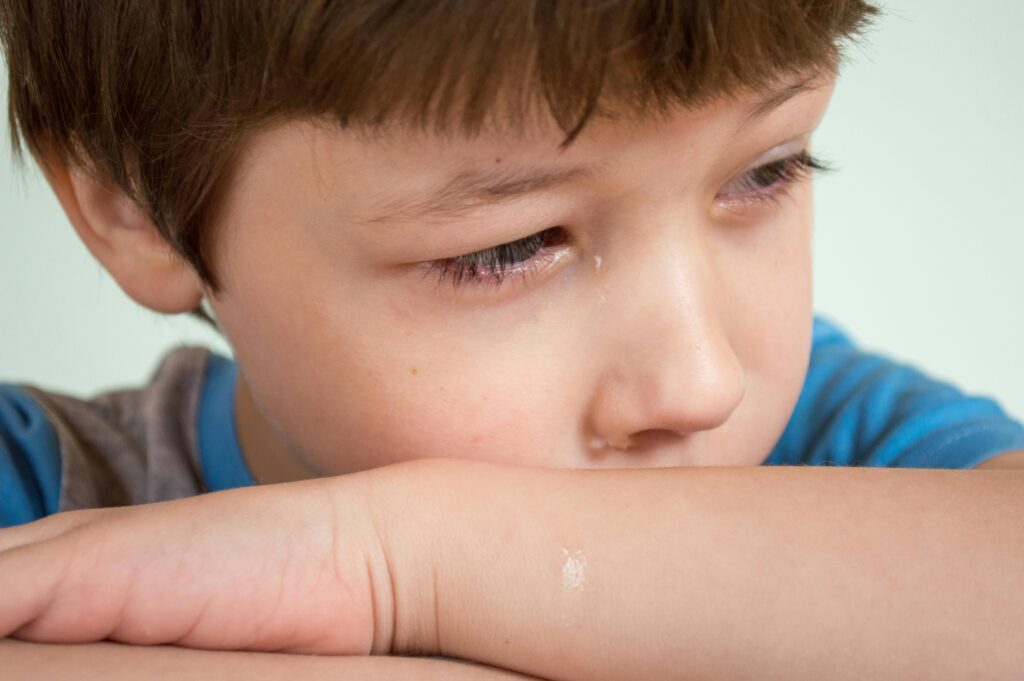
Overview of Fever in Children
Fever in children represents a common clinical symptom rather than a disease itself. Moreover, it indicates that the body is responding to an infection or another underlying condition. In most cases, fever helps the immune system fight pathogens effectively. Therefore, it often plays a protective biological role.
In addition, fever occurs frequently in pediatric populations, especially in early childhood. Furthermore, parents often feel anxious when their child develops a high temperature. However, most cases remain mild and self-limiting. Consequently, understanding fever mechanisms helps reduce unnecessary concern and improves home management.
Causes of Fever in Children
Fever in children develops due to multiple underlying causes. Firstly, viral infections represent the most common trigger. These include influenza, common cold, and viral gastroenteritis. Secondly, bacterial infections such as ear infections and pneumonia also cause fever.
Moreover, immunization may temporarily raise body temperature after vaccination. In addition, heat exposure and dehydration can lead to elevated body temperature. Furthermore, inflammatory conditions and autoimmune diseases may contribute in rare cases.
Therefore, identifying the underlying cause remains essential for proper treatment. However, most pediatric fevers result from self-limiting viral infections.
Symptoms Associated with Fever in Children
Fever in children often presents with a wide range of symptoms. Commonly, body temperature rises above normal levels. Moreover, children may experience chills, sweating, and fatigue.
In addition, irritability and reduced appetite frequently occur. Furthermore, some children develop headaches or muscle pain. Consequently, sleep disturbances may also appear during febrile episodes.
However, symptom severity varies depending on the underlying cause. Therefore, observing associated symptoms helps guide clinical evaluation. At the same time, warning signs such as persistent vomiting or difficulty breathing require immediate attention.
Measurement and Diagnosis of Fever
Accurate measurement of fever plays a key role in pediatric care. Firstly, caregivers can use digital thermometers to measure oral, rectal, or axillary temperature. Moreover, rectal measurement provides the most accurate reading in infants.
In addition, doctors assess medical history and physical symptoms. Furthermore, they may order laboratory tests if infection is suspected. These tests include blood analysis, urine tests, or imaging studies.
Consequently, combining clinical evaluation with diagnostic tools ensures accurate identification of the cause. However, many cases do not require extensive testing. Therefore, clinical judgment remains essential in pediatric fever management.
Treatment of Fever in Children
Treatment of fever in children focuses on comfort and underlying cause management. Firstly, antipyretic medications such as paracetamol or ibuprofen help reduce temperature. Moreover, correct dosing based on weight ensures safety and effectiveness.
In addition, adequate fluid intake prevents dehydration. Furthermore, lightweight clothing helps regulate body temperature. Consequently, rest supports immune system recovery.
However, antibiotics only treat bacterial infections and should not be used for viral fevers. Therefore, medical evaluation guides appropriate medication use. At the same time, avoiding overmedication prevents unnecessary side effects.
Home Care and Fever Management
Home care plays an important role in managing mild fever in children. Firstly, parents should monitor temperature regularly. Moreover, they should ensure adequate hydration through water, milk, or oral rehydration solutions.
In addition, maintaining a comfortable room temperature helps reduce discomfort. Furthermore, sponge baths may provide temporary relief in some cases. However, cold baths should be avoided because they may cause shivering.
Consequently, supportive care often leads to full recovery without complications. Therefore, parents should focus on comfort rather than immediate fever elimination.
When to Seek Medical Help
Parents should seek medical attention when fever becomes severe or persistent. Moreover, infants under three months with fever require immediate evaluation. In addition, fever lasting more than three days needs medical assessment.
Furthermore, symptoms such as difficulty breathing, seizures, or extreme lethargy indicate serious conditions. Consequently, early intervention prevents complications and ensures timely treatment.
However, mild fever without alarming symptoms usually resolves naturally. Therefore, recognizing warning signs remains essential for safe home management.
Prevention of Fever in Children
Preventing fever involves reducing exposure to infectious agents. Firstly, proper hand hygiene significantly lowers infection risk. Moreover, routine vaccinations protect against many common diseases.
In addition, avoiding contact with sick individuals helps prevent transmission. Furthermore, maintaining a healthy diet strengthens the immune system. Consequently, good hygiene and preventive care reduce the frequency of febrile illnesses.
However, not all fevers can be prevented. Therefore, early recognition and proper management remain equally important.
Conclusion
In conclusion, fever in children represents a natural response to infection and other triggers. Moreover, it usually indicates that the immune system is functioning properly. Therefore, most cases do not require aggressive treatment.
In addition, proper assessment and supportive care ensure safe recovery. Furthermore, understanding warning signs helps parents make informed decisions. Consequently, timely medical consultation improves outcomes in severe cases.
Ultimately, combining prevention, observation, and appropriate treatment ensures effective fever management in children.