
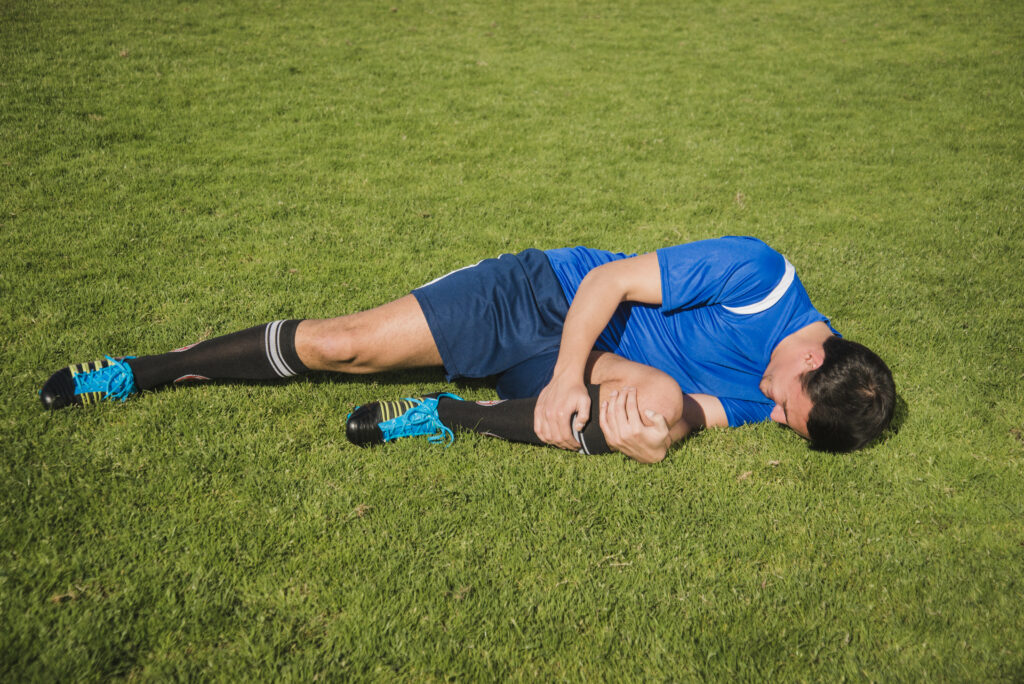
Introduction to Sports Injuries
Sports injuries represent a major public health concern in both professional and recreational athletes. They affect millions of individuals every year across all age groups. Moreover, these injuries lead to significant physical, psychological, and economic consequences. As participation in organized sports continues to rise, the global burden of sports-related injuries also increases. Therefore, understanding the mechanisms, risk factors, and prevention strategies has become a clinical priority. In addition, advances in sports medicine now allow faster recovery and improved long-term outcomes.
Definition and Classification of Sports Injuries
Sports injuries refer to physical damage that occurs during athletic activity or exercise. Clinicians commonly classify these injuries into acute and chronic types. Acute injuries result from a sudden traumatic event, such as fractures or ligament tears. In contrast, chronic injuries develop gradually due to overuse and repetitive stress, such as tendinopathies and stress fractures. Furthermore, injuries may affect muscles, bones, ligaments, tendons, or joints. Therefore, proper classification guides both diagnosis and treatment planning.
Global Epidemiology and Incidence Rates
Sports injuries occur at high rates worldwide across both amateur and elite levels. Contact sports such as football, rugby, and wrestling show the highest injury incidence. However, non-contact sports such as running and swimming also produce a substantial number of overuse injuries. Adolescents and young adults demonstrate particularly high risk due to intense training loads. Moreover, injury rates increase during competitive seasons. Consequently, sports injuries impose a considerable burden on healthcare systems and athletic organizations.
Biomechanical and Physiological Mechanisms of Injury
Sports injuries arise from complex interactions between biomechanical forces and physiological stress. Excessive mechanical load often exceeds tissue tolerance and leads to structural damage. Moreover, muscle fatigue reduces neuromuscular control and increases joint instability. Poor movement patterns also amplify the risk of ligament and cartilage injury. Additionally, inadequate recovery disrupts tissue remodeling and promotes microtrauma accumulation. Therefore, both mechanical stress and biological fatigue contribute significantly to injury development.
Common Types of Sports Injuries
Several injury patterns appear consistently across different sports disciplines. Muscle strains represent one of the most frequent acute injuries. Ligament sprains, especially of the ankle and knee, also occur commonly. Moreover, anterior cruciate ligament injury remains a serious concern in pivoting sports. Stress fractures commonly affect runners and military athletes. Tendinopathies frequently involve the Achilles tendon and the patellar tendon. Consequently, the diversity of injury types requires a multidisciplinary diagnostic approach.
Sports-Specific Injury Patterns
Each sport produces a distinct injury profile based on movement demands and contact exposure. Football players often suffer knee, ankle, and head injuries. Basketball athletes commonly experience ankle sprains and overuse knee disorders. Runners frequently develop stress fractures and shin splints. Meanwhile, swimmers show a high prevalence of shoulder overuse injuries. Additionally, combat sports increase the risk of concussions and facial trauma. Therefore, sport-specific training and prevention strategies remain essential.
Risk Factors for Sports Injuries
Multiple intrinsic and extrinsic factors increase sports injury risk. Age influences tissue elasticity and recovery capacity. Moreover, previous injury strongly predicts future injury occurrence. Muscle weakness and poor flexibility further elevate injury susceptibility. From an extrinsic perspective, training intensity, playing surfaces, and equipment quality also play major roles. Inadequate coaching and poor technique amplify injury probability. Thus, sports injuries result from a multifactorial risk profile.
Diagnostic Approach in Sports Medicine
Accurate diagnosis represents the cornerstone of effective injury management. Clinical evaluation begins with a detailed history and physical examination. Imaging techniques then confirm the diagnosis and assess injury severity. Magnetic resonance imaging offers superior soft tissue visualization. Ultrasound provides dynamic assessment of muscles and tendons. Radiography remains essential for fracture detection. Therefore, a structured diagnostic strategy ensures optimal treatment planning.
Acute Management and First Aid Principles
Immediate management of sports injuries significantly influences recovery outcomes. The RICE protocol, which includes rest, ice, compression, and elevation, remains widely used for acute soft tissue injuries. Early pain control and swelling reduction also prevent secondary damage. Moreover, prompt medical evaluation identifies injuries that require surgical intervention. Rapid yet controlled return to activity forms a critical goal in modern sports medicine. Consequently, early management determines both short-term and long-term prognosis.
Rehabilitation and Functional Recovery
Rehabilitation plays a central role in restoring athletic performance after injury. Therapeutic exercises improve strength, flexibility, and neuromuscular coordination. Moreover, progressive loading stimulates tissue healing and remodeling. Functional training then prepares athletes for sport-specific demands. Psychological support also enhances rehabilitation success by improving motivation and confidence. Therefore, comprehensive rehabilitation programs accelerate safe return to play.
Prevention Strategies and Injury Risk Reduction
Injury prevention represents a primary objective of sports medicine. Neuromuscular training programs significantly reduce the risk of knee and ankle injuries. Proper warm-up routines enhance muscle elasticity and joint mobility. In addition, strength training corrects muscular imbalances. Appropriate footwear and protective equipment also reduce mechanical stress. Furthermore, load monitoring prevents overtraining. As a result, structured prevention programs effectively lower injury incidence.
Role of Nutrition and Recovery in Injury Prevention
Adequate nutrition supports tissue repair and immune function in athletes. Protein intake promotes muscle recovery and connective tissue healing. Moreover, sufficient carbohydrate intake replenishes energy stores. Micronutrients such as vitamin D and calcium strengthen bone health. Proper hydration also preserves neuromuscular performance. In addition, sleep plays a crucial role in recovery and hormonal balance. Consequently, optimized recovery strategies reduce injury vulnerability.
Psychological Impact of Sports Injuries
Sports injuries exert a significant psychological burden on injured athletes. Anxiety and depressive symptoms frequently appear during prolonged rehabilitation. Fear of re-injury may delay full return to competition. Moreover, identity loss affects athletes who strongly associate with their sport. Psychological resilience, however, accelerates recovery and enhances adherence to rehabilitation programs. Therefore, mental health support forms a core component of injury management.
Long-Term Consequences of Sports Injuries
Some sports injuries lead to long-term health consequences. Recurrent joint injuries often progress to early-onset osteoarthritis. Chronic tendinopathies may limit lifelong physical activity. Severe head injuries increase the risk of future cognitive impairment. Moreover, poorly managed injuries reduce overall quality of life. Thus, early detection and proper management play a decisive role in preventing long-term disability.
Future Directions in Sports Injury Research
Advances in sports science continue to reshape injury prevention and management. Wearable technology now monitors training loads and biomechanical patterns in real time. Artificial intelligence assists in injury risk prediction models. Moreover, regenerative therapies such as platelet-rich plasma and stem cell applications show promising results. Personalized training and rehabilitation programs also continue to evolve. Therefore, future innovations will likely further reduce injury burden and improve athletic longevity.
Conclusion
Sports injuries remain a major challenge for athletes, healthcare systems, and sports organizations worldwide. They arise from complex interactions between biomechanical stress, physiological fatigue, and environmental factors. Moreover, they affect both physical performance and psychological well-being. However, advances in diagnostics, rehabilitation, and prevention continue to improve outcomes significantly. Through multidisciplinary care, structured prevention programs, and evidence-based management, clinicians can effectively reduce injury rates and optimize recovery. Consequently, addressing sports injuries remains essential for promoting lifelong athletic health and performance.