
Definition and Overview
Pulmonary embolism (PE) is a serious medical condition that occurs when a blood clot blocks a pulmonary artery in the lungs. This blockage often originates from deep veins in the legs, a condition known as deep vein thrombosis (DVT). As a result, the flow of oxygen-rich blood to the lungs is interrupted, which can lead to life-threatening consequences.
Because of its sudden onset and potentially fatal outcome, early recognition is vital. Although some cases may be mild, others can rapidly deteriorate. Without prompt treatment, PE can lead to respiratory failure or cardiac arrest.
Causes and Risk Factors
The most common cause of pulmonary embolism is a thrombus that has traveled from the legs or pelvis. Risk increases with prolonged immobility, recent surgery, or trauma. Pregnancy, cancer, and certain genetic disorders also raise the chance of clot formation.
In addition, hormonal contraceptives and hormone replacement therapy contribute to the risk. Importantly, obesity and smoking are modifiable factors. A sedentary lifestyle combined with dehydration can further elevate the danger of clot formation and migration.
Signs and Symptoms
Symptoms of PE can vary depending on the size and location of the clot. Sudden shortness of breath is the most common complaint. Chest pain, especially sharp and worsened by breathing, is also typical. Some patients experience coughing, which may include bloody sputum.
Other symptoms include rapid heart rate, dizziness, and fainting. In severe cases, shock or sudden collapse can occur. However, not all individuals show classic signs. Therefore, any unexplained respiratory or cardiac symptoms warrant urgent evaluation.
Diagnostic Tools and Imaging
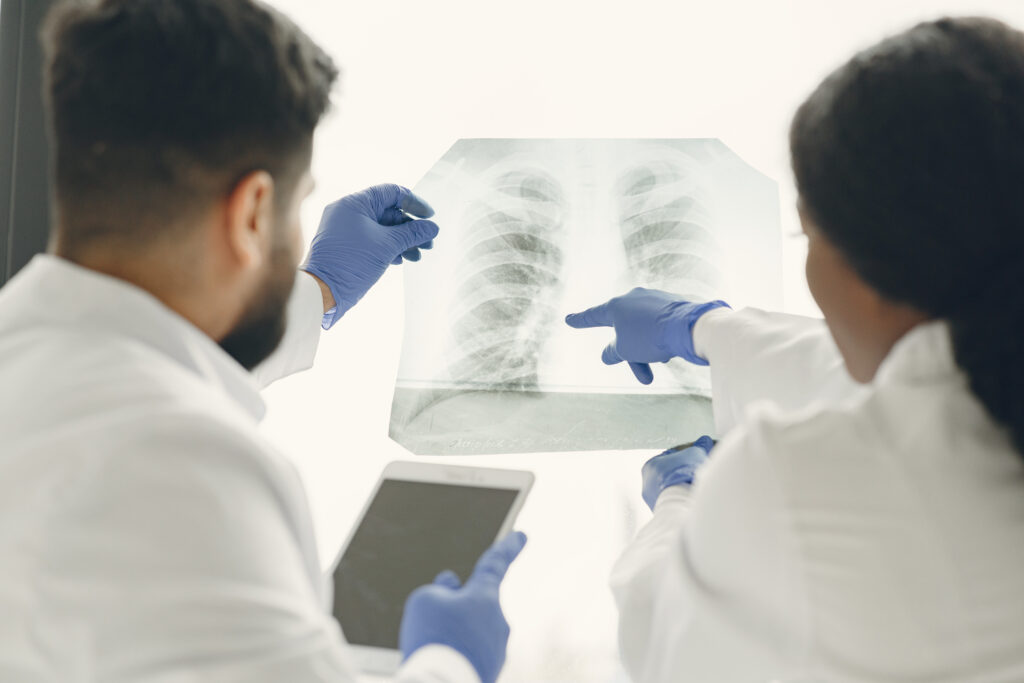
Diagnosis of pulmonary embolism requires a combination of clinical judgment and diagnostic testing. A D-dimer blood test can indicate the presence of clot formation. However, it is not specific and must be followed by imaging if suspicion remains.
Computed tomography pulmonary angiography (CTPA) is the gold standard. It provides direct visualization of clots in the pulmonary arteries. In certain situations, a ventilation-perfusion (V/Q) scan is used instead. Ultrasound of the lower extremities can also detect deep vein thrombosis, supporting the diagnosis.
Treatment Options
Treatment aims to dissolve or remove the clot and prevent recurrence. Anticoagulants are the cornerstone of therapy. These medications prevent further clotting and allow the body to break down existing clots naturally.
In life-threatening cases, thrombolytic agents may be administered to dissolve the clot rapidly. Surgical or catheter-directed thrombectomy is sometimes required. For patients at high risk of recurrent PE, an inferior vena cava (IVC) filter might be placed.
Prevention Strategies
Preventing pulmonary embolism involves reducing the risk of clot formation. Early mobilization after surgery or long travel is critical. Compression stockings and pneumatic devices help maintain blood flow in the legs.
For high-risk individuals, prophylactic anticoagulants may be prescribed. Adequate hydration and physical activity are also essential. Furthermore, educating patients about warning signs can ensure timely medical attention.
Complications and Prognosis
If not treated quickly, PE can result in severe complications. Pulmonary infarction, right-sided heart failure, and low oxygen levels may occur. Chronic thromboembolic pulmonary hypertension (CTEPH) is a long-term complication that affects quality of life.
The prognosis depends on clot size, patient health, and speed of intervention. With early treatment, most patients recover well. However, delayed diagnosis significantly increases mortality risk.
Impact on Public Health
Pulmonary embolism is a major global health issue. It contributes to significant hospital admissions and healthcare costs. Due to its silent nature, many cases remain undiagnosed until complications arise.
Public health strategies must focus on prevention, awareness, and early detection. Education campaigns and routine risk assessment can save lives. Hospitals should implement standardized protocols to reduce PE-related deaths.
Conclusion
Pulmonary embolism is a medical emergency that requires swift diagnosis and treatment. Though it can be silent, its consequences are often severe. Fortunately, it is preventable in many cases.
By understanding the risk factors, recognizing the signs, and promoting preventive strategies, the burden of PE can be reduced. Medical professionals and the public alike must stay informed to combat this silent killer effectively.

