
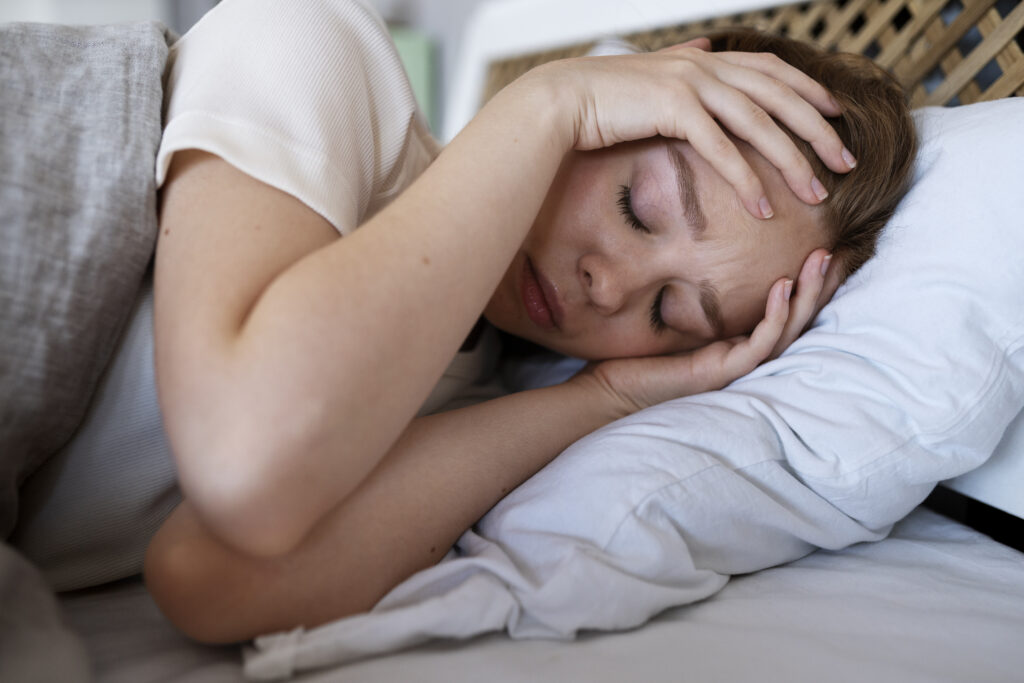
What Are Nighttime Panic Attacks?
Nighttime Panic attacks are unexpected episodes of extreme worry or discomfort that arise at some point of sleep. Unlike nightmares, those assaults generally wake the character all at once, frequently followed through physical signs inclusive of fast heartbeat, shortness of breath, and chest pain. Importantly, these episodes might also occur without any clear cause. As a result, they may be deeply distressing and extensively disrupt sleep nice. Although panic attacks commonly happen at some stage in the day, middle of the night episodes are not unusual and frequently go undiagnosed.
Common Symptoms
The signs of midnight panic attacks replicate the ones of daytime attacks. However, their sudden nature in the course of sleep makes them experience more alarming. Common symptoms include:
- Sudden awakening with a feeling of dread
- Rapid heartbeat or palpitations
- Difficulty breathing or a choking sensation
- Sweating or chills
- Trembling or shaking
- Chest pain or discomfort
- Dizziness or lightheadedness
- Nausea or abdominal distress
Furthermore, many people report feeling detached from reality during the episode. These symptoms usually peak within minutes but may leave lingering anxiety afterward. Over time, individuals might develop anticipatory anxiety, fearing future episodes before sleep.
Causes and Triggers
Although the exact cause remains unclear, several factors may contribute to nighttime panic attacks. These include:
Chronic stress
Generalized anxiety disorder
Trauma or PTSD
Sleep disorders such as sleep apnea
Substance use or withdrawal
Certain medications
In some cases, panic attacks may emerge without a clear psychological or physiological trigger. Nevertheless, stress and disrupted sleep patterns are often linked to increased risk. Moreover, individuals with a history of panic disorder are more likely to experience attacks at night.
Diagnosis and Assessment
Diagnosing nighttime panic attacks requires a complete approach. Doctors start via ruling out physical conditions inclusive of heart disease or respiration issues. Sleep research might also help exclude conditions like sleep apnea. A thorough psychiatric assessment is vital to evaluate underlying tension or mood issues. Notably, maintaining a snooze diary can help become aware of styles and triggers. Early diagnosis is important because untreated panic attacks can lead to chronic sleep disruption and worsening tension.
Impact on Mental and Physical Health
Nighttime panic attacks can significantly affect average properly-being. Interrupted sleep lowers immune characteristic and reduces cognitive performance. In addition, habitual attacks might also motive continual fatigue, temper disturbances, and increased daylight hours anxiety. Over time, the fear of having an assault may additionally result in insomnia or avoidance behaviors. Consequently, the high-quality of existence diminishes, and social or professional functioning may also go through. It will become critical to deal with both the assaults and their emotional aftermath.
Treatment Options
Several effective treatments exist for managing nighttime panic attacks. The most common approaches include:
- Cognitive Behavioral Therapy (CBT): This helps patients identify and reframe anxious thought patterns.
- Medication: Doctors may prescribe SSRIs or anti-anxiety medications when needed.
- Relaxation techniques: Breathing exercises, progressive muscle relaxation, and mindfulness can reduce anxiety.
- Sleep hygiene improvements: Consistent routines and limiting screen time before bed can aid restful sleep.
Treatment plans often combine therapy, medication, and lifestyle changes. Personalized care enhances outcomes and prevents recurrence.
Preventive Strategies
While panic assaults are unpredictable, several steps can reduce their frequency. Maintaining a balanced life-style is vital. This consists of ordinary workout, healthful consuming, and restricting caffeine or alcohol. Managing strain through yoga or meditation additionally proves useful. Moreover, maintaining a strong sleep agenda can adjust the frame’s inner clock. If attacks hold, looking for expert assist remains crucial. Early intervention prevents escalation and promotes higher long-time period intellectual health.
When to Seek Help
If nighttime panic attacks occur regularly or severely affect daily life, it is time to consult a healthcare provider. Signs that warrant medical attention include:
Frequent disruptions of sleep
Intense physical symptoms like chest pain
Development of fear related to sleep
Interference with work, school, or relationships
Prompt diagnosis and treatment can prevent complications and improve sleep quality. Mental health professionals offer valuable support and guide patients through recovery.
Conclusion
Nighttime panic attacks are a severe but treatable situation. Although they strike , individuals can learn how to manipulate symptoms and regain manipulate. With the right help, training, and remedy, most sufferers enjoy extensive alleviation. Raising cognizance about midnight panic assaults encourages early intervention and reduces stigma. Ultimately, an aggregate of hospital therapy and way of life adjustments results in higher sleep and emotional well-being.