
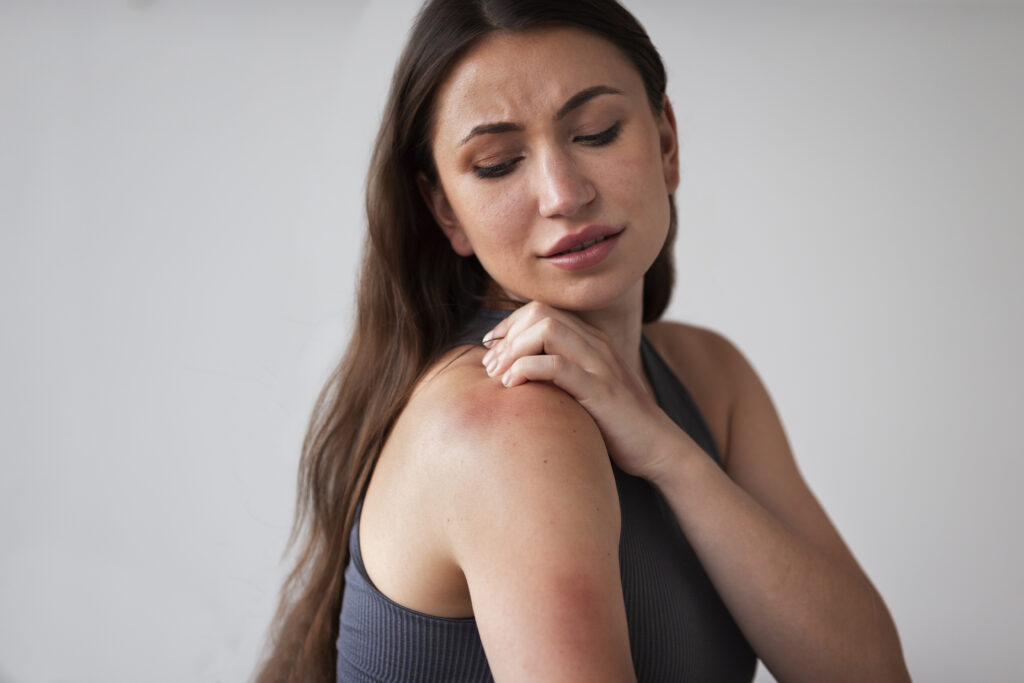
Understanding Fungal Skin Infections
Fungal skin infections are many of the maximum common dermatological conditions international. These infections are caused by fungi that invade the superficial layers of the skin. The maximum general types consist of dermatophytes, yeasts, and molds. Fungi thrive in heat, moist environments, making the pores and skin a perfect habitat. As a end result, people dwelling in warm and humid climates are extra prone.
Common Types of Fungal Skin Infections
There are numerous awesome sorts of fungal skin infections. Each kind is associated with particular fungal species and clinical shows. For example, tinea corporis (ringworm) seems as purple, ring-fashioned lesions. Tinea pedis, referred to as athlete’s foot, affects the feet, specifically among the ft. Tinea cruris goals the groin area and is frequently called jock itch. Another type, tinea versicolor, leads to uneven skin pigmentation. Lastly, cutaneous candidiasis is resulting from the yeast Candida albicans and commonly influences skin folds.
Causes and Risk Factors
Several elements make contributions to the development of fungal pores and skin infections. These include excessive sweating, terrible hygiene, wearing tight apparel, and sharing private items. Moreover, a weakened immune gadget will increase vulnerability. People with diabetes or those present process immunosuppressive remedy also are at better risk. Additionally, extended antibiotic use can disrupt the pores and skin’s microbial stability, favoring fungal increase.
Recognizing the Symptoms
Fungal infections usually gift with awesome and uncomfortable symptoms. Common symptoms consist of redness, itching, burning sensations, flaking, and scaling. In a few cases, the affected location may also blister or crack. Symptoms vary relying on the website online of contamination. For example, tinea pedis may motive foul odor and maceration, while tinea capitis (scalp ringworm) frequently ends in hair loss.
Diagnosis and Laboratory Testing
Accurate analysis is essential for powerful remedy. Dermatologists often rely upon clinical appearance, but laboratory affirmation improves diagnostic accuracy. A potassium hydroxide (KOH) take a look at can help perceive fungal factors underneath a microscope. In greater complex instances, fungal cultures or molecular strategies consisting of PCR can be used. Timely and correct analysis allows right treatment and decreases the risk of recurrence.
Treatment Options and Antifungal Medications
Fortunately, maximum fungal skin infections reply well to treatment. Topical antifungals like clotrimazole, terbinafine, and ketoconazole are generally prescribed. These dealers inhibit fungal mobile membrane synthesis, main to fungal dying. In severe or great infections, oral antifungals such as fluconazole or itraconazole can be required. Treatment length relies upon at the severity and vicinity of the infection, however commonly lasts among two to 6 weeks.
Preventive Strategies and Hygiene Measures
Preventing fungal infections calls for proper hygiene and proactive measures. It is important to maintain the pores and skin clean and dry. Wearing breathable garb and averting the sharing of towels, razors, or footwear is suggested. Additionally, individuals prone to infections must observe antifungal powders in inclined regions. After touring communal showers or gyms, it’s far advisable to wash and dry the pores and skin thoroughly.
Complications and When to See a Doctor
If left untreated, fungal infections can cause serious complications. Secondary bacterial infections, persistent infection, and skin discoloration can also occur. Immunocompromised people are specially at threat for systemic fungal unfold. Therefore, scientific session is crucial whilst signs persist, get worse, or recur often. Prompt treatment allows save you in addition headaches.
The Importance of Early Detection
Detecting fungal infections early will increase remedy success. Delayed intervention frequently permits the fungi to unfold and deepen. Furthermore, early analysis minimizes soreness and reduces transmission. Regular self-exam, mainly in high-danger individuals, promotes early identification. Health specialists additionally play a important role in educating sufferers approximately symptoms and whilst to searching for assist.
Conclusion
In conclusion, fungal skin infections are common but manageable health issues. Understanding their causes, symptoms, and treatments is essential for proper care. With timely intervention and appropriate hygiene practices, most infections resolve without complications. Importantly, individuals can protect themselves through simple lifestyle modifications and awareness. For persistent or unusual symptoms, medical evaluation should not be delayed.