
Introduction to Diabetic Retinopathy
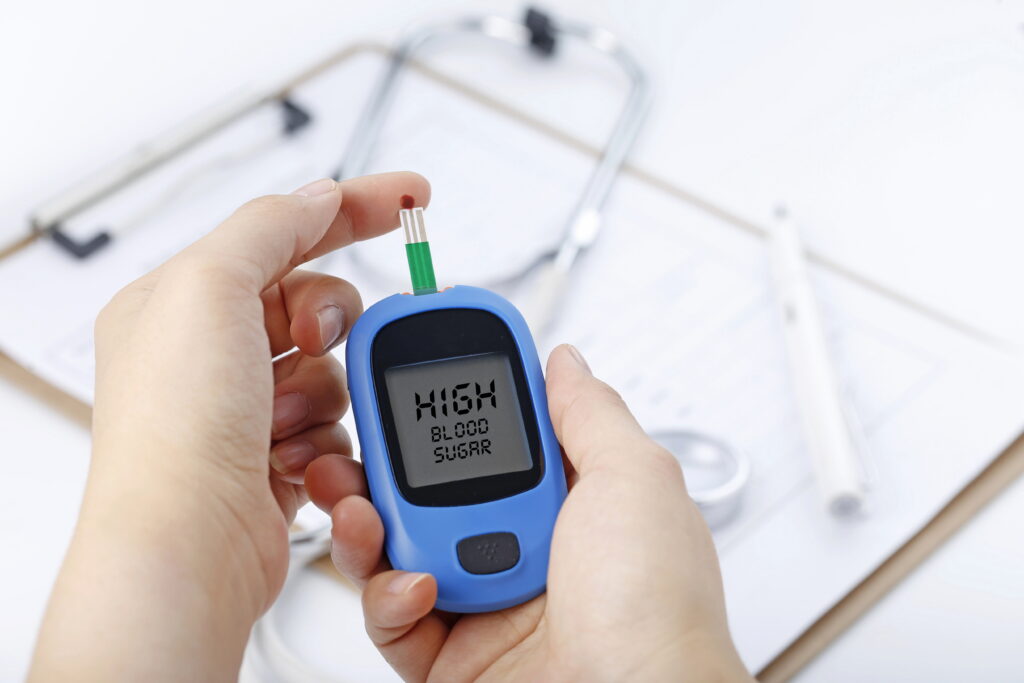
Diabetic retinopathy is a serious eye condition affecting people with diabetes. It occurs when high blood sugar levels damage the blood vessels in the retina. This condition can lead to vision loss or blindness if untreated. Globally, diabetic retinopathy is a leading cause of preventable blindness. Early detection and treatment significantly improve patient outcomes. Furthermore, raising awareness about this condition helps patients manage their eye health effectively.
Causes and Risk Factors
The main cause of diabetic retinopathy is prolonged high blood sugar. Over time, hyperglycemia weakens and damages retinal blood vessels. Risk factors include the duration of diabetes, poor blood sugar control, high blood pressure, and high cholesterol levels. Pregnancy can also increase the risk in women with diabetes. Additionally, smoking and obesity worsen retinal damage. Understanding these factors helps in early diagnosis and prevention.
Types of Diabetic Retinopathy
Diabetic retinopathy progresses in stages. Non-proliferative diabetic retinopathy (NPDR) is the early stage, where blood vessels leak fluid or blood into the retina. Proliferative diabetic retinopathy (PDR) is the advanced stage, causing new abnormal blood vessel growth. Diabetic macular edema (DME) occurs when fluid accumulates in the macula, leading to central vision loss. Identifying the type is crucial for effective treatment and vision preservation.
Symptoms and Early Detection
In the early stages, diabetic retinopathy may not show noticeable symptoms. Patients often experience blurred vision, floaters, or difficulty seeing at night as the disease progresses. Severe cases can lead to sudden vision loss. Regular eye examinations are essential for early detection. Eye care professionals recommend retinal imaging, fundus photography, and optical coherence tomography (OCT) to monitor retinal health. Early detection prevents irreversible damage.
Diagnostic Methods
Accurate diagnosis involves a comprehensive eye examination. Ophthalmoscopy allows doctors to inspect retinal blood vessels for abnormalities. Fluorescein angiography highlights leaking vessels and areas of poor blood flow. Optical coherence tomography (OCT) provides detailed cross-sectional images of the retina to detect fluid buildup. Combining these methods ensures precise diagnosis and guides treatment planning.
Treatment Options
Treatment aims to prevent further retinal damage and preserve vision. Laser photocoagulation reduces abnormal blood vessel growth and seals leaking vessels. Anti-VEGF injections decrease retinal swelling and inhibit new vessel formation. Vitrectomy surgery removes blood or scar tissue from the eye in severe cases. Maintaining tight blood sugar, blood pressure, and cholesterol control complements these treatments. Early intervention significantly improves visual outcomes.
Lifestyle Management and Prevention
Preventing diabetic retinopathy requires effective diabetes management. Regular blood sugar monitoring, healthy diet, and physical activity reduce disease progression. Controlling blood pressure and cholesterol levels also protects retinal blood vessels. Routine eye exams allow early detection of changes in the retina. Avoiding smoking and maintaining a healthy weight further supports eye health. Education on risk factors empowers patients to take proactive steps.
Conclusion
It is a major complication of diabetes that can lead to blindness. Early detection, timely treatment, and proper lifestyle management are essential to protect vision. Awareness of risk factors and symptoms enables patients to act quickly. Advances in diagnostic and therapeutic techniques continue to improve patient outcomes. Therefore, regular eye exams and effective diabetes control remain crucial in preventing vision loss from diabetic retinopathy.

