
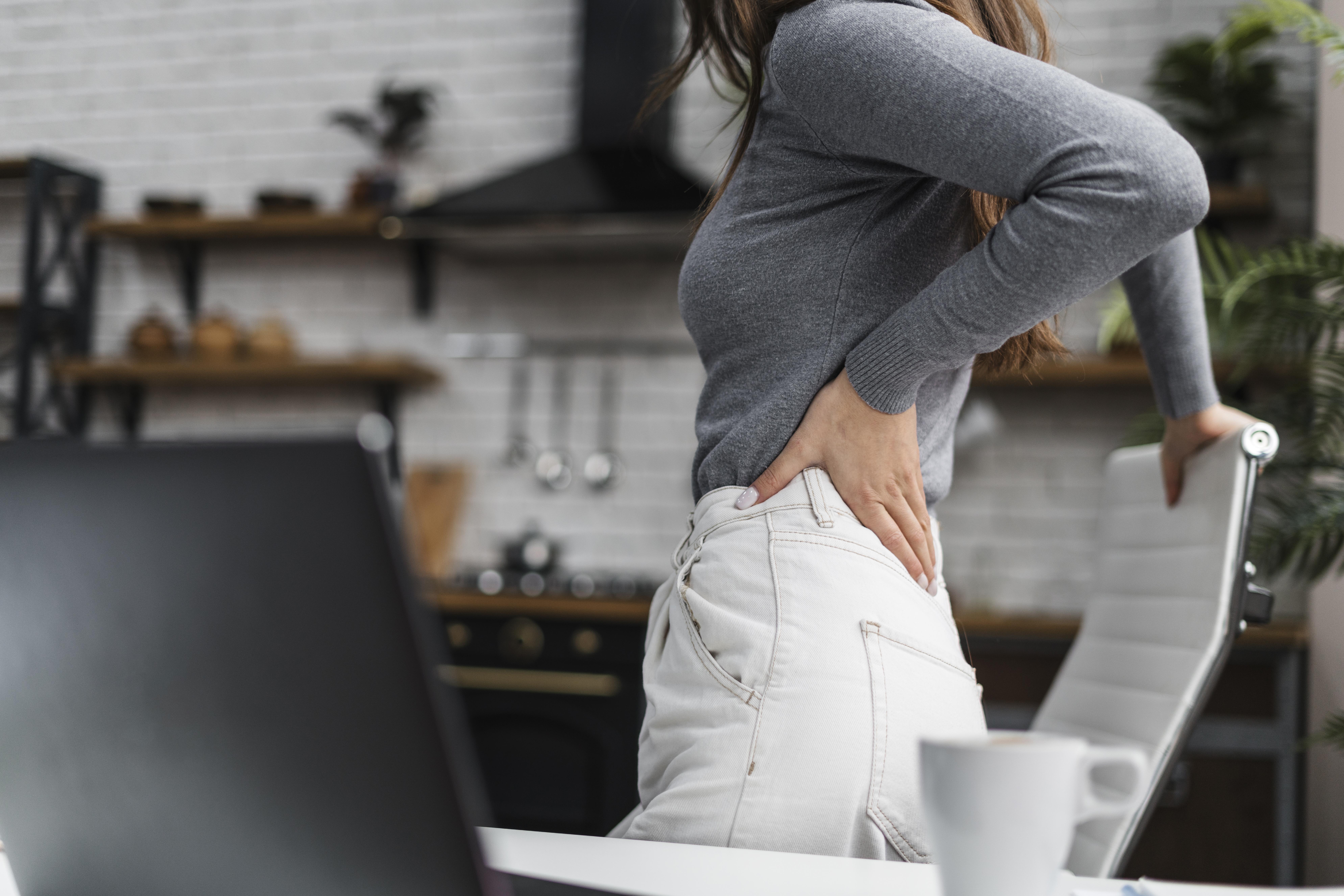
Poor Posture and Sedentary Lifestyle
Lower Back Pain :Poor posture is one of the most commonplace reasons of lower again pain. Sitting or status incorrectly for long intervals places pressure on spinal structures. Over time, muscular tissues weaken and imbalances develop. Moreover, modern-day sedentary existence contributes to again stiffness and pain.
Muscle Strain and Ligament Sprain
Sudden movements or lifting heavy gadgets improperly can also stress muscle tissues or sprain ligaments. This can cause acute pain and limited mobility. Although rest can assist, repeated accidents boom the risk of chronic problems. Therefore, secure lifting strategies are essential.
Herniated or Bulging Discs
Discs act as cushions among the vertebrae. When a disc bulges or ruptures, it may press on nearby nerves. As an end result, ache radiates from the decrease back down the legs. This situation, often called sciatica, can be intense if left untreated.
Degenerative Disc Disease
As people age, spinal discs lose hydration and elasticity. This degeneration reduces their ability to take in shock. Consequently, ache and soreness may additionally get up from simple sports. Although growing older is natural, retaining spinal fitness can sluggish this procedure.
Arthritis and Joint Inflammation
Osteoarthritis affects the lower back by wearing down cartilage between joints. Inflammation and stiffness often accompany this condition. In some cases, spinal stenosis—a narrowing of the spinal canal—may develop. As a result, nerves become compressed and cause significant pain.
Spinal Misalignment and Scoliosis
Structural issues like scoliosis, a sideways curvature of the backbone, can lead to chronic lower returned pain. Even minor misalignments may additionally put uneven stress on muscular tissues and discs. Early detection and bodily remedy can frequently enhance alignment.
Kidney Stones and Infections
Not all decrease lower back pain originates from the backbone. Kidney stones and infections might also purpose sharp or stupid pain within the decrease lower back. Additionally, urinary signs and symptoms frequently accompany these conditions. Medical assessment is vital for accurate diagnosis.
Inflammatory Conditions
Autoimmune illnesses like ankylosing spondylitis can also cause decrease returned stiffness and pain, especially in the morning. These inflammatory situations have an effect on the sacroiliac joints at the bottom of the backbone. Regular workout and early treatment assist manipulate signs correctly.
Obesity and Excess Weight
Carrying more weight locations more strain on the backbone and surrounding muscle tissues. As the decrease lower back helps most frame weight, this strain will increase the likelihood of ache. Losing weight via diet and workout reduces pressure at the backbone substantially.
Psychological Stress and Tension
Emotional strain can appear physically, especially in the returned. Stress reasons muscle tension, which might also bring about pain. In reality, many humans with chronic decrease lower back pain report high pressure stages. Therefore, coping with mental health is vital for ache reduction.
Poor Sleeping Position and Mattress Quality
The way one sleeps immediately affects spinal alignment. Poor napping positions or using an unsupportive bed can worsen lower again pain. Choosing a company bed and preserving an impartial backbone all through sleep assist relieve pain.
Lack of Physical Activity
Inactivity weakens core and back muscles. Without strong support, the spine becomes vulnerable to strain and injury. Regular stretching and strengthening exercises are effective in preventing and managing lower back pain.
Footwear and Gait Issues
Improper footwear and abnormal walking patterns impact posture and spinal alignment. Flat shoes or high heels may alter natural body mechanics. Consequently, the lower back compensates, leading to pain over time. Supportive shoes and orthotics often provide relief.
Underlying Medical Conditions
Certain medical conditions, such as fibromyalgia or endometriosis, may contribute to lower back pain. Identifying and treating the underlying issue is essential. In many cases, pain management requires a multidisciplinary approach.
Conclusion
Lower returned ache stems from an extensive range of bodily, way of life, and scientific reasons. Early identification of the underlying aspect is key to powerful treatment. By addressing posture, preserving a healthy weight, staying energetic, and looking for scientific advice whilst wanted, people can significantly reduce or even get rid of decrease returned ache.