
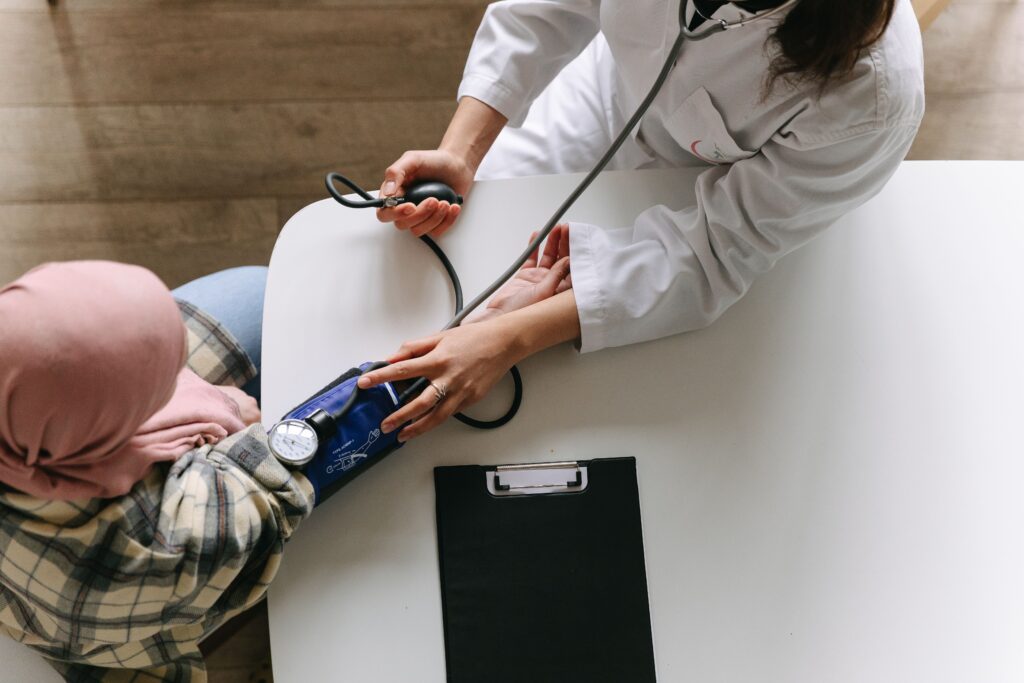
Low blood pressure, also called hypotension, is a common medical finding. In general, a blood pressure reading below 90/60 mmHg is considered low. However, this number alone does not always indicate a health problem. Some healthy people naturally have lower blood pressure without experiencing any symptoms.
Therefore, doctors usually consider both the blood pressure reading and the person’s symptoms. Low blood pressure becomes more concerning when it causes dizziness, fainting, blurred vision, weakness, confusion, or other symptoms. In addition, a sudden drop in blood pressure can be more important than a consistently low reading.
Understanding the causes and warning signs of hypotension can help people recognize when medical assessment may be necessary.
What Is Considered Low Blood Pressure?
Blood pressure measures the force of blood against the walls of the arteries. The reading contains two numbers. The systolic pressure represents the pressure when the heart beats. The diastolic pressure represents the pressure between heartbeats.
In general, a reading below 90/60 mmHg is classified as low blood pressure. Nevertheless, blood pressure varies between individuals. Some people may consistently have readings below this level without feeling unwell.
For this reason, a low reading does not automatically require treatment. Instead, the presence of symptoms and the underlying cause are important factors.
Furthermore, blood pressure naturally changes throughout the day. Body position, physical activity, food, fluids, stress, and medications can all influence the measurement.
When Is Low Blood Pressure Not a Problem?
Low blood pressure may be normal for some people. For example, physically fit individuals can have relatively low readings without experiencing symptoms.
If a person consistently has a low blood pressure reading but feels healthy, treatment may not be necessary. Instead, a healthcare professional may monitor the person’s blood pressure during routine visits.
However, the situation changes when symptoms appear. Recurrent dizziness, fainting, weakness, blurred vision, or difficulty concentrating may indicate that blood pressure is not providing adequate circulation for the body’s needs.
Therefore, symptoms provide important information. A blood pressure reading should always be interpreted within the individual’s clinical context.
Common Symptoms of Low Blood Pressure
Low blood pressure can produce different symptoms. Dizziness and lightheadedness are among the most common. Some people may also experience blurred or fading vision.
In addition, fatigue, weakness, nausea, and difficulty concentrating can occur. More significant blood pressure drops may cause fainting.
Symptoms can also depend on how quickly blood pressure falls. A sudden decrease may cause symptoms even when the final reading does not appear extremely low.
For example, Mayo Clinic notes that a change of about 20 mmHg in systolic pressure can cause dizziness or fainting in some people. Consequently, the change from a person’s usual blood pressure can be clinically relevant.
Orthostatic Hypotension
Orthostatic hypotension is a common form of low blood pressure. It occurs when blood pressure falls after a person stands up from sitting or lying down.
Typical symptoms include dizziness, lightheadedness, blurred vision, weakness, and sometimes fainting. Usually, symptoms appear within a few minutes of standing.
Several factors can contribute to orthostatic hypotension. Dehydration, prolonged bed rest, pregnancy, certain medications, and some medical conditions can increase the risk.
Therefore, people who repeatedly feel dizzy when standing should discuss the symptoms with a healthcare professional. Keeping a record of when the symptoms occur can also help with evaluation.
Dehydration and Low Blood Pressure
Dehydration is a common and potentially reversible cause of low blood pressure. When the body loses more fluid than it replaces, blood volume can decrease.
Consequently, some people may develop dizziness, weakness, or lightheadedness. The risk can increase during hot weather, intense exercise, fever, vomiting, or diarrhea.
Adequate fluid intake can help prevent dehydration-related symptoms. However, persistent low blood pressure should not automatically be attributed to inadequate water intake.
If symptoms continue despite adequate hydration, another cause may require investigation. Therefore, recurrent episodes deserve appropriate medical assessment.
Medications That Can Lower Blood Pressure
Several medications can contribute to hypotension. These include some medicines used to treat high blood pressure. Diuretics, alpha blockers, and beta blockers are examples.
Other medications can also lower blood pressure. These include some medicines used for Parkinson’s disease and certain antidepressants. Some medications for erectile dysfunction may also contribute to low blood pressure, particularly when combined with specific heart medicines.
Therefore, medication-related hypotension should be discussed with a healthcare professional. Importantly, prescribed medication should not be stopped or changed without medical guidance.
Medical Conditions That Can Cause Low Blood Pressure
Low blood pressure can sometimes indicate an underlying medical condition. Heart problems may reduce the amount of blood the heart pumps. Consequently, blood pressure can fall.
Severe infections can also cause a dangerous drop in blood pressure. In addition, serious blood loss can significantly reduce circulating blood volume.
Severe allergic reactions may cause a sudden and substantial decrease in blood pressure as well. Furthermore, certain endocrine and metabolic conditions can affect blood pressure regulation.
Nutritional deficiencies can also contribute in some situations. For example, deficiencies of vitamin B12, folate, or iron can contribute to anemia, which may be associated with low blood pressure.
When Does Low Blood Pressure Become Dangerous?
Low blood pressure becomes particularly concerning when it causes severe symptoms or occurs suddenly. A rapid decline can reduce blood flow to vital organs.
In severe cases, extremely low blood pressure can contribute to shock. Warning signs can include confusion, cold or clammy skin, pale or bluish skin, rapid breathing, and a weak or rapid pulse.
Fainting can also indicate a significant problem. In particular, unexplained or repeated loss of consciousness requires medical assessment.
Therefore, severe symptoms should not be managed at home without professional evaluation. Emergency medical care may be necessary when signs of shock or severe circulatory problems occur.
When Should You See a Doctor?
Occasional mild dizziness does not always indicate a serious condition. However, recurrent symptoms deserve medical evaluation.
You should consider speaking with a healthcare professional if you repeatedly experience dizziness, fainting, blurred vision, unusual weakness, or confusion.
Furthermore, medical assessment becomes especially important when symptoms begin after starting a new medication. It is also important when low blood pressure occurs during pregnancy or alongside another medical condition.
Keeping a blood pressure record can provide useful information. Record the measurement, time, body position, symptoms, and circumstances surrounding each episode. This information can help a healthcare professional identify patterns.
How Is Low Blood Pressure Evaluated?
Evaluation usually begins with a medical history and physical examination. The healthcare professional may ask about symptoms, medications, fluid intake, medical conditions, and recent illnesses.
Blood pressure may also be measured more than once. In some cases, measurements are taken while lying down and then after standing.
Additional tests may depend on the suspected cause. For example, blood tests may help identify anemia or other conditions. Heart rhythm testing may also be considered when symptoms suggest a cardiovascular cause.
Therefore, there is no single evaluation that applies to every person with low blood pressure. The appropriate approach depends on the symptoms and clinical history.
How Can Mild Low Blood Pressure Symptoms Be Managed?
Management depends on the underlying cause. However, several simple measures may help some people with mild symptoms.
First, adequate hydration can support blood volume. Next, standing up slowly can reduce symptoms associated with postural blood pressure changes.
In addition, avoiding prolonged standing may help some individuals. Smaller meals may also reduce symptoms in people who experience blood pressure drops after eating.
However, these measures are not appropriate for every person. For example, increasing salt intake may be unsuitable for individuals with certain heart, kidney, or blood pressure conditions.
Therefore, persistent symptoms should be discussed with a healthcare professional before making major dietary or medication changes.
Conclusion
Low blood pressure is not necessarily a medical problem. Some healthy individuals naturally have readings below 90/60 mmHg without experiencing symptoms.
However, hypotension becomes more clinically important when it causes dizziness, fainting, blurred vision, weakness, confusion, or other symptoms. In addition, a sudden drop in blood pressure can require urgent evaluation.
Dehydration, medications, heart conditions, severe infections, blood loss, allergic reactions, and other medical problems can contribute to hypotension. Therefore, identifying the underlying cause is often more important than focusing on a single blood pressure number.
Most importantly, severe dizziness, fainting, confusion, cold or clammy skin, rapid breathing, or a weak and rapid pulse can indicate a serious drop in circulation. In such situations, urgent medical care is appropriate.