
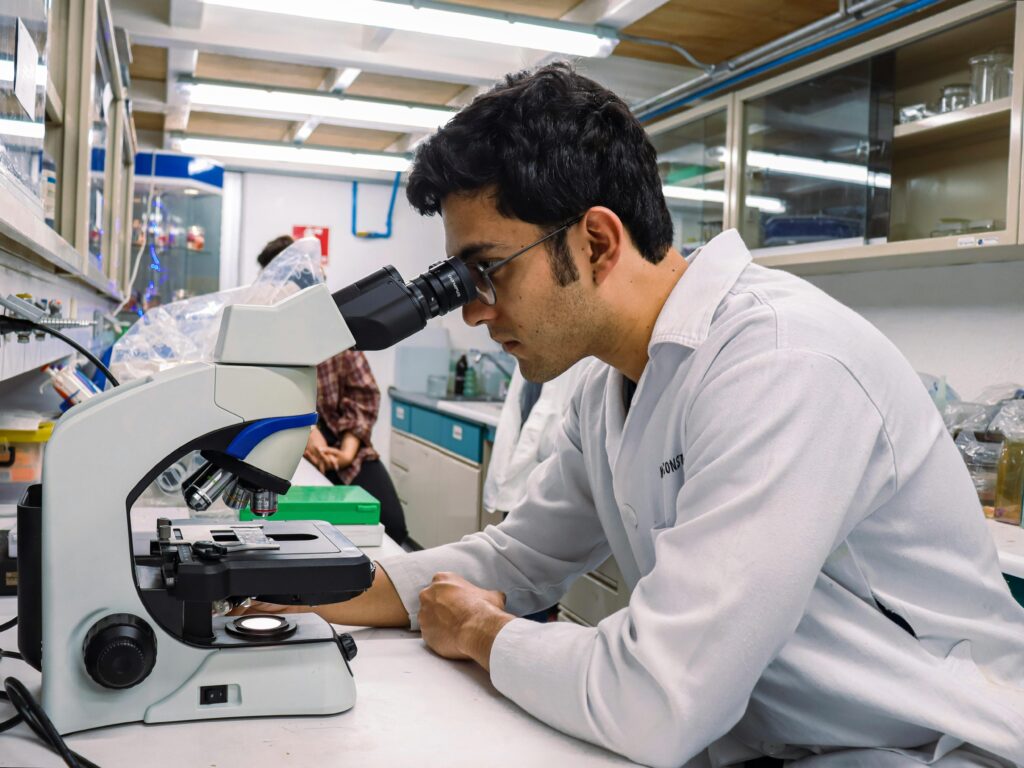
Introduction to the Human Microbiome
The human microbiome refers to the vast community of microorganisms that live on and inside the human body. These microbes include bacteria, viruses, fungi, and archaea. Most of them inhabit the gut, especially the large intestine. However, they also live on the skin, in the mouth, and in the respiratory tract.
Scientists estimate that trillions of microorganisms exist in the human body. Together, they form a complex biological ecosystem. This ecosystem interacts continuously with human cells and biological systems. As a result, the microbiome plays a central role in human health.
Moreover, the human microbiome performs many essential functions. It helps digest food, produces vitamins, and protects the body against harmful pathogens. In addition, researchers have discovered a strong link between the microbiome and the immune system. Therefore, understanding this relationship has become a major focus in modern medical research.
Composition and Diversity of the Human Microbiome
The human microbiome contains thousands of microbial species. However, bacterial communities dominate this ecosystem. The most common bacterial groups in the gut include Firmicutes, Bacteroidetes, Actinobacteria, and Proteobacteria.
Microbial diversity plays a crucial role in maintaining health. A diverse microbiome supports stable biological functions. Furthermore, it strengthens the body’s defense mechanisms. In contrast, reduced diversity often correlates with disease.
Several factors influence microbiome composition. For example, diet strongly shapes microbial populations. Individuals who consume fiber-rich diets usually develop more beneficial bacteria. Meanwhile, high-fat and high-sugar diets may reduce microbial diversity.
Age also affects microbiome development. Infants acquire microbes during birth and early life. Over time, the microbiome becomes more stable and complex. Additionally, environmental exposure, antibiotic use, and lifestyle habits significantly influence microbial balance.
Interaction Between the Microbiome and the Immune System
The immune system constantly interacts with microbial communities. This interaction begins early in life. During infancy, microbial exposure helps train the immune system to distinguish between harmful and harmless agents.
The gut microbiome acts as an important immune regulator. Beneficial bacteria stimulate immune cells and promote immune tolerance. Consequently, the body learns to respond appropriately to pathogens while avoiding excessive inflammation.
Furthermore, gut microbes influence immune signaling pathways. They produce metabolites that affect immune cell activity. For instance, short-chain fatty acids support anti-inflammatory responses and strengthen intestinal barriers.
In addition, the microbiome helps maintain the integrity of the gut lining. A strong intestinal barrier prevents harmful microbes from entering the bloodstream. As a result, the immune system can function more efficiently.
The Microbiome as a Protective Barrier Against Pathogens
One of the key roles of the microbiome involves protection against harmful microorganisms. Beneficial microbes compete with pathogens for nutrients and space. Therefore, pathogenic bacteria find it harder to colonize the gut.
This process is known as colonization resistance. It represents a critical mechanism of natural defense. When microbial balance remains stable, pathogens struggle to establish infections.
Moreover, beneficial microbes produce antimicrobial substances. These compounds inhibit the growth of harmful bacteria. Consequently, the microbiome forms a biological shield that protects host tissues.
However, disturbances in the microbiome may weaken this defense system. Antibiotic overuse often disrupts microbial balance. As a result, opportunistic pathogens can grow rapidly. This condition increases the risk of infections and inflammatory diseases.
Microbiome Imbalance and Immune-Related Diseases
Microbial imbalance, also known as dysbiosis, can negatively affect immune function. Dysbiosis occurs when harmful microbes outnumber beneficial species. Several factors contribute to this imbalance, including poor diet, chronic stress, and excessive antibiotic use.
Research has linked dysbiosis to various immune-related diseases. For example, inflammatory bowel disease often involves altered gut microbiota. Similarly, allergies and asthma show associations with microbial imbalance.
Furthermore, scientists have observed connections between the microbiome and autoimmune disorders. Conditions such as rheumatoid arthritis and multiple sclerosis may involve abnormal immune responses triggered by microbial disruption.
Recent studies also suggest a relationship between the microbiome and metabolic diseases. Obesity and type 2 diabetes appear linked to altered microbial populations. Therefore, maintaining microbiome balance may support immune and metabolic health.
Strategies to Support a Healthy Microbiome
Several lifestyle strategies can support microbiome health. First, diet plays a fundamental role. Consuming fiber-rich foods promotes beneficial bacteria growth. Whole grains, fruits, vegetables, and legumes provide important nutrients for microbial communities.
Probiotic foods also help maintain microbial balance. Yogurt, kefir, kimchi, and fermented vegetables contain beneficial bacteria. In addition, prebiotic foods such as garlic, onions, and bananas nourish existing microbes.
Limiting unnecessary antibiotic use also protects microbial diversity. Antibiotics save lives when used appropriately. However, excessive use can damage beneficial microbial populations.
Regular physical activity further supports microbiome health. Exercise has been linked to greater microbial diversity. Moreover, stress management and adequate sleep contribute to immune stability and microbial balance.
Future Perspectives in Microbiome Research
Microbiome research continues to expand rapidly. Scientists now explore microbiome-based therapies to treat immune disorders. For instance, fecal microbiota transplantation has shown promise in certain gastrointestinal diseases.
Researchers also investigate personalized microbiome medicine. In the future, doctors may design treatments based on individual microbial profiles. This approach could improve treatment precision and patient outcomes.
Additionally, advances in sequencing technology allow deeper analysis of microbial ecosystems. These technologies help scientists understand complex interactions between microbes and the immune system.
Consequently, microbiome science may transform preventive medicine and disease treatment. Continued research will likely uncover new therapeutic strategies that harness microbial communities to support immune health.