
Introduction
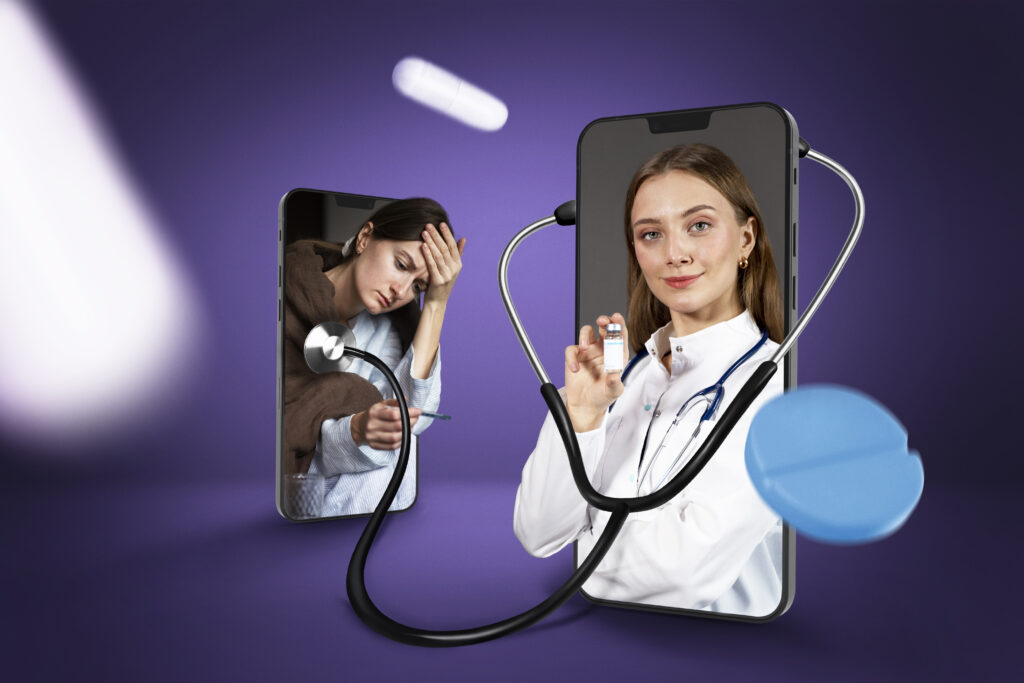
Effective medical communication with patients represents a core component of high-quality healthcare. It influences diagnostic accuracy, treatment adherence, and patient satisfaction. Moreover, it strengthens trust between healthcare providers and patients. As healthcare systems become more complex, communication skills gain greater importance. Therefore, clinicians must develop structured and patient-centered communication strategies. This article presents an academic medical discussion on effective medical communication, aligned with SEO standards and evidence-based practice.
Importance of Medical Communication in Healthcare
Medical communication directly affects clinical outcomes. When clinicians communicate clearly, patients understand their conditions better. As a result, patients follow treatment plans more consistently. Furthermore, effective communication reduces medical errors. It also improves shared decision-making. In addition, strong communication enhances emotional support during illness. Therefore, communication skills represent a clinical competency rather than a soft skill.
Patient-Centered Communication Approach
Patient-centered communication focuses on the individual rather than the disease alone. Clinicians actively listen to patient concerns. They also encourage open dialogue. Moreover, they respect patient values and preferences. This approach increases patient engagement. Consequently, patients feel empowered during care. In addition, patient-centered communication improves diagnostic accuracy. It allows clinicians to gather comprehensive information. Thus, this approach supports both clinical effectiveness and ethical practice.
Verbal Communication Skills in Clinical Practice
Verbal communication forms the foundation of patient interaction. Clinicians should use clear and simple language. They must avoid excessive medical terminology. Moreover, they should adjust explanations to patient literacy levels. In addition, tone of voice influences patient perception. A calm and empathetic tone reduces anxiety. Therefore, effective verbal communication enhances understanding and cooperation. It also supports informed consent and treatment adherence.
Nonverbal Communication and Its Clinical Impact
Nonverbal communication conveys powerful messages in healthcare settings. Eye contact demonstrates attention and respect. Facial expressions communicate empathy and concern. Moreover, body posture reflects openness and professionalism. In addition, physical distance affects patient comfort. Clinicians must remain aware of cultural differences. Therefore, effective nonverbal communication reinforces verbal messages. It also strengthens therapeutic relationships.
Communication in Diagnosis and Treatment Discussions
Diagnosis and treatment discussions require high communication accuracy. Clinicians must explain medical findings clearly. They should present treatment options transparently. Moreover, they must discuss risks and benefits honestly. In addition, they should check patient understanding regularly. This approach supports shared decision-making. Consequently, patients participate actively in their care. Effective communication during these discussions reduces confusion and fear.
Managing Difficult Conversations in Medicine
Healthcare professionals often face difficult conversations. These include delivering bad news or discussing poor prognosis. Clinicians should approach such conversations with empathy. They must allow patients time to process information. Moreover, they should acknowledge emotional responses. In addition, they should offer support resources. Therefore, structured communication frameworks improve clinician confidence. They also reduce emotional distress for patients.
Cultural Competence in Medical Communication
Cultural competence enhances communication effectiveness. Patients come from diverse cultural backgrounds. Therefore, beliefs and values may influence health decisions. Clinicians must respect cultural differences. They should avoid assumptions and stereotypes. Moreover, they should use professional interpreters when needed. This approach improves understanding and reduces disparities. Consequently, culturally sensitive communication promotes equity in healthcare.
Impact of Communication on Patient Safety
Effective communication plays a vital role in patient safety. Miscommunication often leads to clinical errors. Therefore, clear information exchange remains essential. Clinicians should confirm patient identity and instructions. They should also encourage patients to ask questions. In addition, team communication affects safety outcomes. Strong communication reduces adverse events. Thus, patient safety depends on communication quality.
Role of Medical Education and Training
Medical education increasingly emphasizes communication skills. Training programs now include structured communication modules. Simulation-based learning improves real-world performance. Moreover, feedback helps clinicians refine their skills. Continuous professional development remains necessary. Therefore, communication training supports lifelong learning. It also enhances healthcare quality across systems.
Conclusion
Effective medical communication with patients represents a fundamental pillar of modern healthcare. It improves clinical outcomes, patient satisfaction, and safety. Moreover, it supports ethical and patient-centered care. As healthcare continues to evolve, communication skills remain essential. Therefore, clinicians must prioritize effective communication throughout their practice. By doing so, healthcare systems can achieve better outcomes and stronger patient relationships.